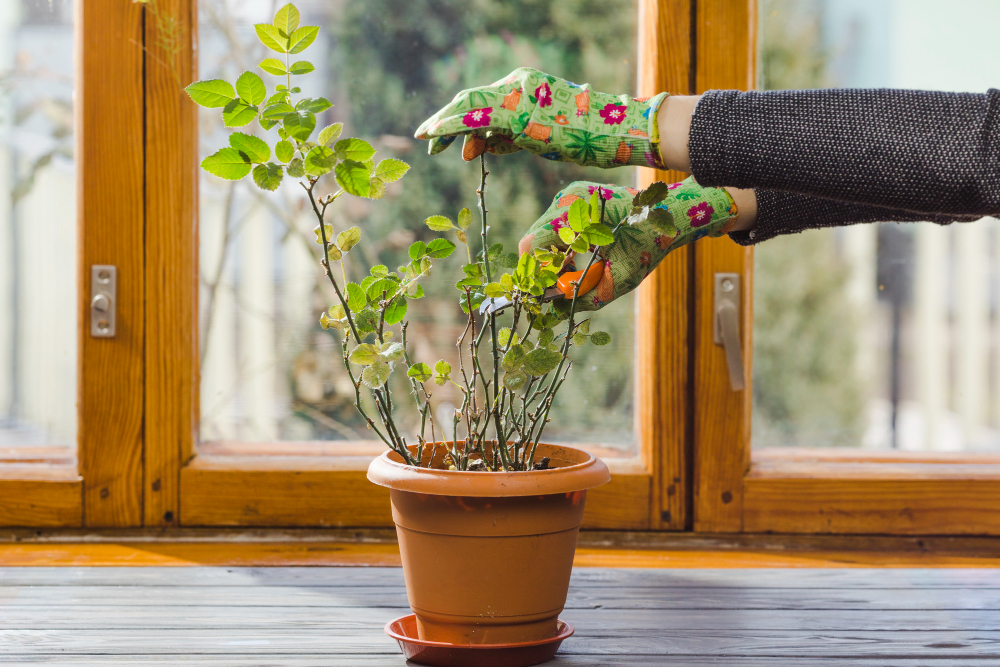
Thriving Indoor Gardening: Tips for a Lush Home Oasis
Have you ever wished you could grow your own fresh herbs, vegetables, or beautiful plants right inside your home? Whether you live in a tiny New York apartment or a spacious Texas farmhouse, indoor gardening makes it possible to grow green, healthy, and organic plants all year round — no backyard required.
In this guide, we’ll walk you through everything you need to know about starting and maintaining a thriving indoor garden using organic gardening methods. From choosing the right plants to setting up your grow space, we’ve got you covered.
Why Indoor Gardening Is Booming Across the USA
Americans are discovering the joy of growing plants indoors like never before. According to recent gardening industry reports, millions of U.S. households added at least one new houseplant or indoor food garden during the past few years — and the trend isn’t slowing down.
So why is indoor gardening becoming so popular?
For starters, it gives you total control over what goes into your food. When you practice organic indoor gardening, you skip the harmful pesticides and synthetic fertilizers found in many grocery store products. You grow cleaner, healthier food right on your windowsill or kitchen counter.
Beyond food, indoor plants improve air quality, reduce stress, boost mood, and make your living space feel more alive and welcoming. Studies from NASA have even shown that certain air purifying indoor plants can help filter toxins from indoor air.

Getting Started With Indoor Gardening: What You Need to Know
Choosing the Right Location in Your Home
Before you buy a single seed or pot, the most important step is figuring out where your indoor garden will live. Light is the number one factor for plant success indoors.
Take a walk around your home and notice how much natural sunlight each room receives throughout the day. South-facing windows in the USA get the most direct sunlight and are ideal for sun-loving plants like herbs, tomatoes, and peppers. East or west-facing windows work well for plants that prefer moderate light, such as pothos, ferns, and peace lilies. North-facing windows get the least light and are best suited for low-light indoor plants like snake plants or ZZ plants.
If your space doesn’t get enough natural light, don’t worry — grow lights for indoor plants are an affordable and effective solution. LED grow lights in particular have become very popular among American indoor gardeners because they’re energy-efficient, long-lasting, and mimic the full spectrum of sunlight that plants need to thrive.
Best Organic Soil and Growing Mediums for Indoor Plants
When it comes to organic indoor gardening, your soil choice matters more than most beginners realize. Conventional potting mixes often contain synthetic fertilizers and chemical wetting agents that don’t align with organic principles.
Instead, look for OMRI-listed (Organic Materials Review Institute) potting mixes at your local garden center or on Amazon. Brands like Fox Farm Ocean Forest, Dr. Earth, and Espoma Organic Potting Mix are widely available across the USA and are trusted by organic gardeners.
Here are some of the best soil and growing options for indoor organic gardens:
Organic Potting Mix — Great all-purpose option for herbs, vegetables, and houseplants. Additionally, look for mixes that include perlite for drainage and worm castings for natural nutrition.
Coconut Coir — A sustainable, peat-free growing medium made from coconut husks. It retains moisture well and is excellent for seed starting.
Worm Castings — Often called “black gold” by organic gardeners, worm castings are one of the best natural fertilizers you can add to your indoor potting mix. They improve soil structure, add beneficial microbes, and feed your plants slowly and gently.
Compost — If you practice indoor composting, mixing finished compost into your potting medium is a fantastic way to boost nutrition organically.
Top Indoor Plants for Beginners in the USA
Not all plants are created equal when it comes to indoor growing. If you’re just starting your indoor gardening journey, it’s smart to begin with plants that are forgiving, easy to care for, and rewarding to grow.
Here are some of the best indoor plants for beginners across U.S. climate zones:
Pothos (Epipremnum aureum) — Nearly indestructible, pothos thrives in low light and irregular watering. It’s one of the most popular air purifying indoor plants in American homes.
Spider Plant (Chlorophytum comosum) — Adaptable, fast-growing, and safe for pets and kids. Moreover, spider plants do well in a range of light conditions and are great for hanging baskets.
Snake Plant (Sansevieria) — Perfect for indoor gardening without sunlight. Snake plants can survive in very low light and only need watering every 2–3 weeks.
Basil — One of the easiest indoor herbs to grow on a sunny windowsill. Fresh organic basil is a game changer for home cooking.
Mint — Grows vigorously indoors and loves moisture. Keep it in a separate pot because it spreads quickly!
Aloe Vera — A beautiful succulent with medicinal benefits. Aloe thrives in bright, indirect light and well-draining organic soil.
Cherry Tomatoes — Surprisingly easy to grow indoors with adequate light or a grow light. A rewarding choice for anyone interested in growing vegetables indoors year round.
How to Water Indoor Plants the Right Way
One of the most common mistakes new indoor gardeners make is overwatering. More indoor plants die from too much water than from too little. The key is to water deeply but infrequently, allowing the top inch or two of soil to dry out between waterings.
Here are some pro tips for watering your indoor garden the organic way:
Use filtered or room-temperature water — Tap water in many U.S. cities contains chlorine and fluoride that can build up in soil over time and stress sensitive plants. Letting tap water sit overnight allows chlorine to dissipate, or you can use a simple filter.
Bottom watering — Place your pot in a saucer of water and let the soil absorb moisture from the bottom up. As a result, it encourages deeper root growth and prevents overwatering.
Self-watering planters — These are a popular tool among American apartment gardeners. They feature a built-in reservoir that delivers consistent moisture to plant roots without the guesswork.
Moisture meter — An inexpensive tool (usually under $15) that tells you exactly when your soil is dry enough to water again. Highly recommended for beginners.
Organic Fertilizing for Indoor Plants
Organic fertilizers feed your plants gently and improve the overall health of your soil over time. Unlike synthetic fertilizers that can cause nutrient burn and degrade soil biology, organic plant fertilizers work with nature — not against it.
Some of the best organic fertilizers for indoor plants include:
Worm Casting Tea — Brew worm castings in water to create a liquid fertilizer that’s gentle, fast-acting, and completely organic. Apply every 2–4 weeks during the growing season.
Fish Emulsion — A nutrient-rich liquid fertilizer made from fish byproducts. It’s excellent for leafy greens and herbs but has a strong odor, so ventilate your space after application.
Kelp Meal or Liquid Kelp — Rich in trace minerals and natural growth hormones, kelp is a fantastic organic supplement for indoor plants.
Compost Tea — Similar to worm casting tea, compost tea introduces beneficial microorganisms to your soil while delivering gentle nutrition.
Always follow the label instructions and remember that with organic fertilizers, less is often more. Over-fertilizing, even with organic products, can harm your plants.
Indoor Herb Garden: Grow Fresh Organic Herbs in Your Kitchen
One of the most practical and satisfying aspects of indoor gardening is growing your own organic herbs. A kitchen herb garden is something virtually any American home can support, regardless of space or experience level.
Best Herbs to Grow Indoors Organically
The following herbs perform exceptionally well indoors and are ideal for organic growing:
Basil loves warmth and at least 6 hours of direct light per day. Plant in organic potting mix and harvest regularly to encourage bushy growth.
Chives are incredibly easy to grow and thrive in moderate light. They’re great for adding fresh flavor to salads, soups, and eggs.
Parsley grows well in a deep pot with good drainage. It prefers bright, indirect light and consistent moisture.
Thyme is a drought-tolerant herb that does well on a sunny south-facing windowsill. It’s particularly useful for roasting meats and vegetables.
Rosemary thrives in bright light with excellent drainage. Use sandy organic soil or add extra perlite to your mix to prevent root rot.
Lemon Balm is an underrated indoor herb with a lovely citrus fragrance. It grows vigorously and is great for teas and cocktails.
Advanced Indoor Gardening: Hydroponics and Vertical Gardens
Once you’re comfortable with basic indoor container gardening, you might want to explore more advanced growing methods that can dramatically increase your yields and efficiency.
Indoor Hydroponics — Growing Without Soil
Hydroponics at home is a method of growing plants in a nutrient-rich water solution rather than soil. It might sound complicated, but modern hydroponic kits have made it incredibly accessible for everyday American gardeners.
The benefits of hydroponic indoor gardening include faster growth rates (plants can grow up to 50% faster than in soil), less water usage compared to traditional gardening, and no weeds or soil-borne pests to deal with. You can even do hydroponics organically by using certified organic liquid nutrients designed for hydroponic systems.
Popular starter systems like the AeroGarden and Lettuce Grow Farmstand are widely available in the USA and are excellent for beginners who want to dip their toes into hydroponic growing.
Indoor Vertical Gardens for Small Spaces
If you’re working with limited square footage — as many apartment dwellers in cities like Chicago, Seattle, or Miami do — an indoor vertical garden is a brilliant solution. Vertical garden systems mount on walls and allow you to grow dozens of plants in a fraction of the floor space a traditional garden would require.
Wall-mounted felt pocket planters, modular stacking systems, and hanging tiered plant stands are all popular options for creating a stunning and productive indoor garden wall.
Common Indoor Gardening Problems and Organic Solutions
Even the most experienced gardeners encounter problems from time to time. Here’s how to handle the most common indoor gardening challenges using organic methods.
Indoor Plant Pest Control — The Organic Way
Fungus gnats are tiny flying insects that breed in moist soil and are one of the most common pests in indoor gardens. To deal with them organically, let your soil dry out more between waterings, apply a layer of sand on top of your soil, or use beneficial nematodes — microscopic organisms that feed on gnat larvae in the soil.
Spider mites thrive in hot, dry conditions. Increase humidity around your plants, spray affected leaves with a diluted neem oil solution, and isolate infested plants immediately.
Mealybugs appear as white fluffy masses on stems and leaves. Dab them with a cotton swab dipped in rubbing alcohol or spray with insecticidal soap — both are considered acceptable in organic gardening.
Scale insects look like small brown bumps on stems. Remove them manually and follow up with neem oil spray applied every 7–10 days.
Fixing Overwatered Indoor Plants
Signs of overwatering include yellowing leaves, mushy stems, and a foul smell from the soil. If you suspect overwatering, stop watering immediately, remove the plant from its pot, inspect the roots, and trim away any black or mushy roots with sterilized scissors. Repot in fresh, well-draining organic soil and allow the plant to recover in a warm, bright spot.
Indoor Gardening for Mental Health and Wellbeing
Beyond the practical benefits of fresh food and cleaner air, indoor gardening has well-documented positive effects on mental health. Research from universities across the USA has shown that caring for plants can reduce cortisol (the stress hormone), lower anxiety levels, improve focus and attention, and provide a sense of purpose and accomplishment.
This is one reason why indoor gardening for mental health has become such a popular topic in wellness communities. Therapists and mental health professionals increasingly recommend plant care as a complementary self-care practice.
For those dealing with seasonal depression or the winter blues — a common challenge in northern states like Minnesota, Michigan, and Vermont — tending an indoor garden provides a consistent connection to nature even when the outdoor world is frozen and gray.
Indoor Gardening During Winter: Keep Your Garden Thriving Year Round
One of the greatest advantages of indoor gardening is that the seasons don’t stop you. While your neighbors’ outdoor gardens go dormant, your indoor garden keeps producing fresh herbs, greens, and flowers all through the coldest months of the year.
During winter, be mindful of these key factors. Days are shorter, so your plants get less natural light — this is a great time to invest in a LED grow light on a timer set for 14–16 hours per day. Indoor heating systems dry out the air significantly, which stresses tropical houseplants. Use a humidifier or place a tray of water and pebbles beneath your pots to raise ambient humidity. Keep plants away from cold drafts near windows and exterior walls, especially in northern states where temperatures drop significantly.
FAQs:
What is the meaning of indoor gardening?
Gardening and harvesting produce on your windowsil.
What is the principle of indoor gardening?
Growing ornamental plants inside the home.
What are different types of indoor gardening?
Container gardens, vertical gardens, terrariums, herb gardens, and aquaponic systems.
What are the benefits of indoor gardening?
Improve air quality, reduce stress, and increase productivity.
Final Thoughts: Start Your Indoor Garden Today
Indoor gardening is one of the most rewarding hobbies you can take up — and with an organic approach, it’s also one of the healthiest for you, your family, and the environment. Whether you’re growing a simple windowsill herb garden in a small Seattle apartment or setting up a full indoor vertical garden in your suburban Chicago home, the journey starts with a single seed and a little curiosity.
You don’t need to be an expert. Don’t need a lot of space or money. You just need a willingness to learn, a little patience, and the desire to bring the beauty and benefits of nature indoors.
So grab some organic potting mix, pick your favorite plants, find a sunny spot, and start growing. Your indoor garden is waiting.