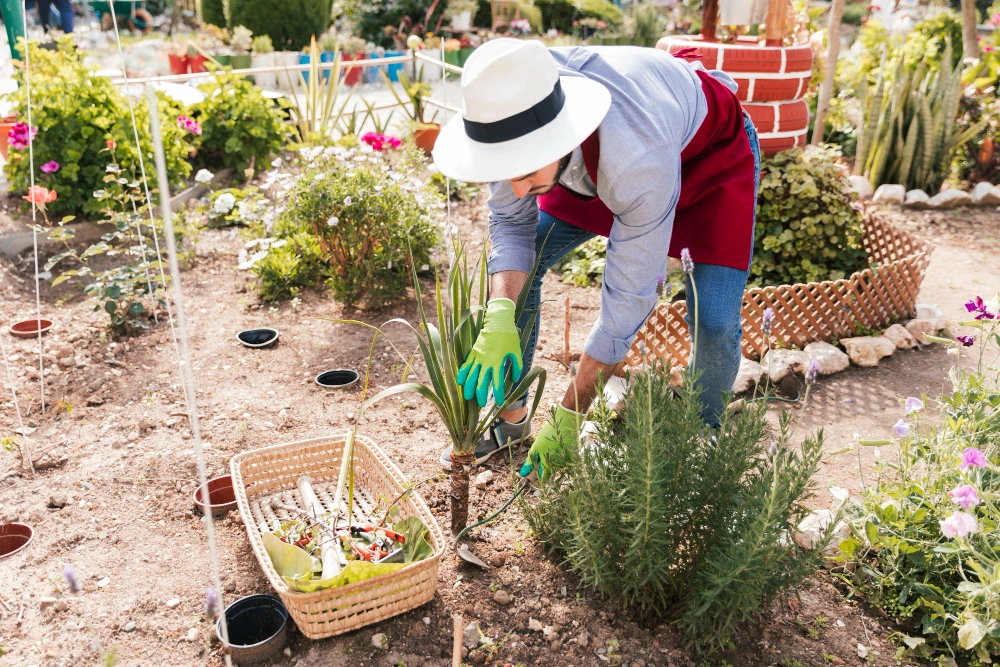
Embrace Natural Gardening: Tips for a Sustainable Garden
Introduction to Natural Gardening
Natural gardening has become more than just a trend across the United States. It is a return to sustainable, time-tested methods that work with nature rather than against it. Backyard plots in suburban Texas and container gardens on a New York City balcony show natural gardening offers a healthier, environmentally conscious approach to growing beautiful plants and nutritious food.
At its core, organic gardening means cultivating plants without synthetic pesticides, chemical fertilizers, or genetically modified seeds. Instead, you’ll harness the power of composting, beneficial insects, and natural soil amendments to create a thriving, self-sustaining garden ecosystem.
Why Choose Natural Gardening?
Health Benefits for You and Your Family
Practicing chemical-free gardening eliminates exposure to potentially harmful pesticides and herbicides. The vegetables and herbs you harvest are free from synthetic residues, giving you peace of mind about what’s on your dinner plate. Studies have shown that organic produce often contains higher levels of beneficial antioxidants and nutrients.
Environmental Impact and Sustainability
Eco-friendly gardening practices improve environmental health. By avoiding synthetic chemicals, you protect local waterways from contamination, support declining pollinator populations, and improve soil health for future generations. Your garden serves as a small, important part of larger environmental solutions.
Cost-Effectiveness Over Time
Starting an organic garden might require an initial investment in quality soil and compost materials. Sustainable gardening practices save money long-term. You’ll create your own fertilizers through composting, save seeds from year to year, and reduce water bills through efficient mulching techniques.

Building Healthy Soil: The Foundation of Natural Gardening
Understanding Soil Health
Healthy soil is alive with beneficial microorganisms, earthworms, and organic matter. Conventional gardening relies on chemical inputs. Natural gardening focuses on feeding the soil, which feeds your plants. Soil functions as a living ecosystem, not just dirt.
Composting Methods for Natural Gardening
Composting is the cornerstone of organic soil amendments. Here are the most popular methods suitable for different USA climates:
Traditional Compost Bins: Perfect for suburban yards with moderate space. Layer green materials (grass clippings, vegetable scraps) with brown materials (dried leaves, shredded paper) in a 3:1 ratio. In most American climates, you’ll have usable compost in 3-6 months.
Vermicomposting: Ideal for apartment dwellers or those in colder climates. Red wiggler worms transform kitchen scraps into nutrient-rich castings indoors, year-round. This method works exceptionally well in northern states. Outdoor composting slows during winter.
Hot Composting: For gardeners who want quick results. By maintaining the right carbon-to-nitrogen ratio and turning your pile regularly, you can produce finished compost in just 4-6 weeks.
Natural Fertilizers and Amendments
Beyond compost, several organic options boost soil fertility:
- Fish emulsion: Provides nitrogen for leafy growth
- Bone meal: Adds phosphorus for strong roots and blooms
- Kelp meal: Delivers trace minerals and growth hormones
- Wood ash: Raises pH and adds potassium (use sparingly)
- Cover crops: Plant clover, rye, or vetch in fall to enrich soil naturally
Natural Pest Control: Protecting Your Garden Without Chemicals
Companion Planting Strategies
One of the most effective organic pest solutions involves strategic plant placement. Companion planting has been used for centuries and works beautifully in American gardens:
- Tomatoes + Basil: Basil repels aphids, hornworms, and whiteflies
- Carrots + Onions: Onions deter carrot flies
- Corn + Beans + Squash: The traditional “Three Sisters” method used by Native Americans
- Marigolds + Vegetables: These cheerful flowers repel numerous garden pests
- Nasturtiums: Act as trap crops, luring aphids away from vegetables
Beneficial Insects: Your Natural Gardening Defense
Encouraging beneficial insects is crucial for pesticide-free gardening. Create habitat for these helpful creatures:
Ladybugs: Consume up to 50 aphids per day. Attract them with dill, fennel, and yarrow.
Lacewings: Their larvae devour aphids, mites, and caterpillars. Plant angelica and coreopsis to invite them.
Praying Mantises: General predators that control numerous pest species.
Ground Beetles: Eat slugs, snails, and cutworms at night.
Plant native flowers like coneflowers, black-eyed Susans, and milkweed to provide nectar sources for these allies.
Organic Pest Solutions for Common Problems
When prevention isn’t enough, try these natural remedies:
- Neem oil spray: Controls aphids, mites, and fungal diseases
- Diatomaceous earth: Deters slugs and soft-bodied insects
- Handpicking: Time-consuming but effective for larger pests like tomato hornworms
- Insecticidal soap: Made from potassium fatty acids, safe for most plants
- Garlic or hot pepper spray: Homemade deterrents for various pests
Choosing the Right Plants for Natural Gardening
Native Plants and Pollinator-Friendly Gardens in Natural Gardening
Native plants have evolved with local conditions and require minimal intervention. They’re naturally disease-resistant plants and support local ecosystems:
Northeast: Black-eyed Susans, New England asters, bee balm Southeast: Coneflowers, coral honeysuckle, beautyberry Midwest: Prairie dropseed, butterfly weed, wild bergamot Southwest: Desert marigold, penstemon, salvia Pacific Northwest: Oregon grape, sword fern, Pacific bleeding heart
Creating a pollinator-friendly garden with native species supports bees, butterflies, and hummingbirds—essential for food production.
Heirloom Seeds vs. Hybrid Varieties
For true organic gardening, choose heirloom seeds:
- Open-pollinated and can be saved for next year
- Often more flavorful than modern hybrids
- Preserve genetic diversity
- Adapted to specific regions over generations
Popular seed companies like Baker Creek, Seed Savers Exchange, and Johnny’s Selected Seeds offer extensive heirloom collections suited to different American growing zones.
Water Conservation and Sustainable Gardening Practices
Mulching Techniques for American Climates
Mulching is essential for water-conservation gardening. It works well in drought-prone states like California, Arizona, and Texas. Apply 2-4 inches of organic mulch around plants:
- Wood chips: Long-lasting, ideal for perennials and shrubs
- Straw: Perfect for vegetable gardens, decomposes by season’s end
- Shredded leaves: Free and abundant in fall, excellent for all garden types
- Grass clippings: Quick nitrogen boost, best used thin to prevent matting
Rainwater Harvesting Systems
Collecting rainwater is legal in most US states (check local regulations). A simple rain barrel system can:
- Reduce water bills by 30-50% during growing season
- Provide chlorine-free water that plants prefer
- Decrease stormwater runoff in your community
Advanced Natural Gardening Techniques
Permaculture Principles in Home Gardens for Natural Gardening
Permaculture applies ecological principles to create self-sustaining gardens. Key concepts include:
- Zone planning: Place frequently harvested plants closest to your house
- Stacking functions: Each element serves multiple purposes
- Edge effect: Create diverse borders where ecosystems meet
- Perennial emphasis: Reduce annual replanting labor
No-Till Gardening Methods
No-till gardening preserves soil structure and microbial life. It avoids turning soil annually.
- Build organic raised beds filled with quality compost
- Use lasagna gardening (layering cardboard, compost, and mulch)
- Apply heavy mulch to smother weeds
- Add compost as a top dressing each season
This approach works well in areas with heavy clay soil found throughout the Midwest and South.
Crop Rotation for Disease Prevention
Rotating plant families prevents soil depletion and disease buildup. Follow this simple four-year rotation:
Year 1: Tomatoes, peppers, eggplants (nightshades) Year 2: Beans, peas (legumes) Year 3: Cabbage, broccoli, kale (brassicas) Year 4: Carrots, lettuce, onions (roots and greens)
Seasonal Natural Gardening Guide for USA Zones
Spring: Preparation and Early Planting
- Test and amend soil with compost (March-April)
- Start seeds indoors 6-8 weeks before last frost
- Plant cool-season crops: lettuce, peas, spinach
- Apply organic mulch as soil warms
Summer: Peak Growing Season
- Maintain consistent watering (morning is best)
- Monitor for pests and disease-resistant plants performance
- Harvest regularly to encourage production
- Side-dress heavy feeders with compost
- Plant fall crops in late summer (zones 5-9)
Fall: Harvest and Preparation
- Collect and save heirloom seeds
- Plant cover crops for winter soil protection
- Continue composting fallen leaves
- Mulch perennials for winter protection
- Clean up disease-affected plant material
Winter: Planning and Indoor Activities
- Review garden journals and plan next year
- Start vermicomposting indoors
- Order heirloom seeds from catalogs
- Service and repair tools
- Study beneficial insects and companion planting combinations
Common Mistakes to Avoid in Natural Gardening
Over-Fertilizing with Organic Amendments
More isn’t always better. Excessive compost or manure can cause nutrient imbalances. Too much nitrogen creates lush foliage but few fruits.
Ignoring Soil pH
Different plants require different pH levels. Test annually and adjust naturally:
- Add sulfur or pine needles to lower pH for acid-loving plants
- Add lime or wood ash to raise pH for alkaline-preferring crops
Planting Too Densely
Good air circulation prevents fungal diseases. Follow spacing recommendations on seed packets, even in small spaces.
Not Being Patient with Natural Methods
Chemical-free gardening requires patience. Beneficial insect populations take time to establish, and soil health improves gradually over seasons.
Creating a Wildlife Habitat Garden
Biodiversity gardening transforms your yard into an ecosystem that supports local wildlife:
Essential Elements
- Water source: Birdbath, small pond, or shallow dishes
- Shelter: Dense shrubs, brush piles, or bee hotels
- Nesting sites: Birdhouses, native bunch grasses
- Food: Native berries, seed heads left standing in winter
- Chemical-free zones: Eliminate all pesticides to protect wildlife
Supporting Pollinators Year-Round
Plant in succession. Something blooms from early spring through fall frost. Include:
- Early spring: Crocus, willow, redbud
- Summer: Coneflowers, bee balm, sunflowers
- Fall: Asters, goldenrod, sedum
The Economic Benefits of Natural Gardening
Long-Term Cost Savings
After initial setup, organic gardens become increasingly economical:
- Homemade compost eliminates fertilizer purchases
- Saved seeds reduce annual costs by 50-80%
- Reduced water usage through mulching and rainwater harvesting
- Fewer inputs needed as soil health improves
Return on Investment
Studies show home vegetable gardens can yield $600–800 worth of produce from a $70 investment. This does not include the superior quality of organic, homegrown food.
Tools and Resources for Natural Gardening
Essential Organic Gardening Tools
- Quality compost thermometer
- Soil testing kit
- Broad fork (for no-till aeration)
- Drip irrigation or soaker hoses
- Rain gauge
- Garden journal for tracking successes
Recommended Organizations and Resources
- Rodale Institute: Pioneer in organic farming research
- USDA Organic Standards: Official certification guidelines
- Local Extension Offices: Free soil testing and region-specific advice
- Master Gardener Programs: Volunteer training in sustainable practices
- Seed Savers Exchange: Heirloom seed preservation network
Starting Your Natural Gardening Journey Today
Begin Small and Build Gradually
You don’t need to transform your entire yard overnight. Start with:
Year 1: Single 4×8 organic raised bed, compost bin, rain barrel Year 2: Expand garden, add perennial herbs and berries Year 3: Incorporate native plants, establish pollinator zones Year 4: Implement advanced techniques like crop rotation and cover cropping
Join Your Local Community
Natural gardening is more enjoyable with support:
- Find community gardens accepting new members
- Join Facebook groups focused on organic gardening in your state
- Attend farmers market and connect with local growers
- Participate in seed swaps and plant exchanges
Conclusion: Growing More Than Just Plants
Natural gardening provides more than fresh vegetables and beautiful flowers. It’s an investment in personal health, environmental sustainability, and community resilience. Working with nature’s rhythms creates a garden that becomes easier and more productive each season.
The principles of chemical-free gardening—healthy soil, biodiversity, water conservation, and natural pest management—aren’t just good for your backyard. They’re essential practices for our collective future. Every pesticide-free garden, no matter how small, contributes to cleaner water, healthier ecosystems, and more abundant wildlife.
Your garden is waiting—and it’s ready to grow with you, naturally.