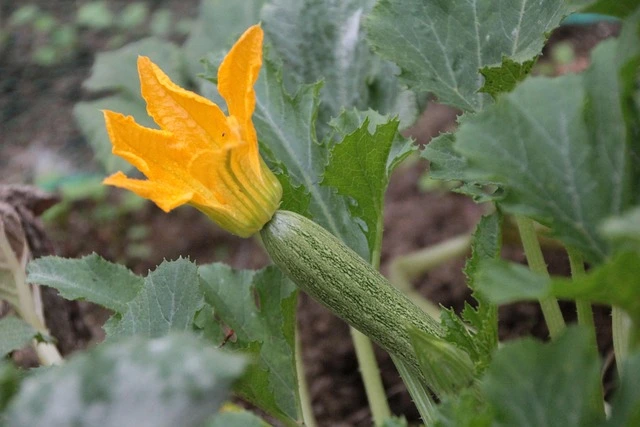
Optimal Zucchini Plant Spacing for a Bountiful Harvest
Growing zucchini successfully starts with one fundamental decision: how far apart to plant zucchini. Proper zucchini plant spacing determines your harvest quality, plant health, and garden productivity. This comprehensive guide covers everything USA-based organic gardeners need to know about spacing zucchini plants for maximum yield.
Why Proper Zucchini Plant Spacing Matters
Distance between zucchini plants affects every aspect of plant development. Adequate zucchini spacing in garden beds prevents common problems that plague crowded plants. When zucchini plants grow too close together, they compete for essential resources like sunlight, water, and soil nutrients.
Poor air circulation between overcrowded plants creates ideal conditions for fungal diseases, particularly powdery mildew. This white coating spreads rapidly in humid conditions and weakens plants significantly. Proper spacing allows air to flow freely around leaves, keeping foliage dry and reducing disease pressure.
Adequate spacing also improves pollination success. Bees and other pollinators need easy access to flowers. When plants crowd together, pollinators struggle to reach blossoms, resulting in poor fruit set.
Standard Zucchini Plant Spacing Requirements
Bush Zucchini Plant Spacing Guidelines
Bush-type zucchini varieties require 24 to 36 inches between plants in all directions. These compact plants grow in a concentrated mound rather than sending out long vines. Popular bush varieties like ‘Raven’ and ‘Dunja’ perform best with 30 inches of space per plant.
For row planting, space bush zucchini 24 to 30 inches apart within rows, with rows separated by 36 to 48 inches. This zucchini row spacing allows you to walk between rows for harvest and maintenance while giving plants adequate growing room.
Vining Zucchini Plant Spacing Requirements
Vining zucchini types spread more aggressively and need 36 to 48 inches between plants. These varieties produce longer stems that travel across garden beds. Without adequate space, vines entangle with neighboring plants, making harvest difficult and increasing disease risk.
Some heirloom varieties develop particularly vigorous vines extending 6 feet or more. Give these plants 48 to 60 inches of space in all directions. The extra room pays dividends through healthier plants and easier garden maintenance.

Zucchini Plant Spacing by Growing Method
Traditional Garden Bed Spacing
In traditional ground-level garden beds, arrange zucchini plants in rows or grid patterns. Row planting works well for larger gardens where you need to maximize production. Plant zucchini 24 to 36 inches apart within rows, spacing rows 48 inches apart for bush varieties or 60 inches apart for vining types.
Grid or block planting uses space more efficiently in smaller gardens. Arrange plants in offset rows, creating a triangular pattern. This zucchini garden layout provides each plant with roughly equal space while fitting more plants per square foot than traditional rows.
Raised Bed Zucchini Spacing
Raised bed zucchini spacing follows similar guidelines but offers more control. A standard 4×8 foot raised bed accommodates 4 to 6 bush zucchini plants comfortably. Place plants 30 to 36 inches apart, positioning them away from bed edges to prevent vines from sprawling onto pathways..
For a 4×4 foot raised bed, plant only 2 to 3 zucchini plants maximum. The confined space limits air circulation, making proper spacing even more critical for disease prevention. Consider companion planting with herbs like oregano or nasturtiums at bed edges, which help repel pests without competing for space.
Zucchini Container Spacing
Container-grown zucchini requires one plant per container. Use containers measuring at least 24 inches in diameter and 12 inches deep for bush varieties. Larger containers, 30 to 36 inches across, support better root development and more consistent moisture levels.
When grouping multiple containers, maintain 18 to 24 inches between container edges. This spacing allows air circulation around foliage while giving you access for watering and harvest. Compact varieties bred for containers like ‘Patio Star’ perform best in this confined growing environment.
Self-watering containers work exceptionally well for zucchini, which requires consistent moisture. The water reservoir prevents the soil stress that leads to poor fruit development.
Square Foot Gardening Zucchini
Square foot gardening systems recommend one zucchini plant per 2 square feet (approximately 17×17 inches). This tighter spacing works only with proper management, including weekly fertilization, consistent watering, and careful variety selection.
Many gardeners find that allocating 4 square feet (2×2 grid) per plant produces healthier zucchini with fewer problems. The extra space reduces disease pressure and simplifies maintenance.
Vertical Zucchini Plant Spacing and Trellis Growing
Growing zucchini vertically on trellises saves garden space while improving air circulation. This method suits vining varieties better than bush types. Install sturdy trellises 5 to 6 feet tall before planting, as zucchini plants become heavy when loaded with fruit.
Vertical zucchini spacing allows 3 to 4 plants in the same ground area that would normally accommodate 2 plants. The improved sun exposure on trellised plants often increases yields despite tighter spacing. Remember that vertical growing requires more frequent watering, as air movement around foliage dries soil faster.
USA Regional Spacing Considerations
Climate zones across the USA influence optimal zucchini plant distance. Hot, humid regions like the Southeast benefit from extra spacing that maximizes air flow. Space plants 36 to 42 inches apart in humid climates to reduce fungal disease problems.
Arid Western regions can utilize slightly tighter spacing since fungal diseases pose less threat. Space plants 24 to 30 inches apart in dry climates. The main consideration becomes efficient water use.
Northern gardeners with shorter growing seasons should optimize spacing for maximum production in limited time. Standard spacing of 30 to 36 inches works well, but consider starting transplants indoors to gain 2 to 3 weeks of production. USDA zones 3 to 5 gardeners particularly benefit from this head start.
Southern gardeners in zones 8 to 10 can grow zucchini in spring and fall, avoiding summer heat. For fall plantings, use wider spacing since plants face less disease pressure from cooler temperatures. Spring plantings may need standard spacing to accommodate rapid growth during optimal weather.
Common Zucchini Plant Spacing Mistakes to Avoid
Zucchini Overcrowding Problems
Planting zucchini too close together represents the most common spacing error. Seed packets often list minimum spacing rather than optimal distances. New gardeners frequently plant at minimum spacing, then watch helplessly as maturing plants overlap.
Resource competition intensifies when multiple zucchini plants share limited root space. Even with regular fertilization, crowded plants show nutrient deficiency symptoms like yellowing leaves. The root systems simply cannot access enough resources to support multiple vigorous plants in close proximity.
Ignoring Variety Size Differences
Not all zucchini varieties grow to the same size. Treating compact bush varieties and sprawling heirloom types identically leads to problems. Always check mature plant dimensions on seed packets or plant tags. A variety described as ‘compact’ likely needs 24 inches, while one labeled ‘vigorous’ may require 48 inches or more.
Heirloom varieties generally need more space than modern hybrids bred for intensive production. Open-pollinated varieties like ‘Cocozelle’ develop larger plants than hybrid varieties like ‘Spacemiser’.
Zucchini Companion Plants and Spacing
Strategic companion planting around zucchini improves garden productivity without compromising plant spacing. What to plant with zucchini depends on your goals and available space.
Herbs make excellent zucchini companions because they occupy minimal space. Plant oregano, thyme, or borage 12 inches from zucchini stems. These aromatic herbs reportedly repel squash bugs and attract beneficial insects.
Nasturtiums planted 18 inches from zucchini serve as trap crops for aphids. These flowering plants attract aphids away from zucchini while adding edible flowers to salads.
Radishes mature quickly and can grow between newly planted zucchini. Plant radishes 6 inches from young zucchini transplants. Harvest radishes within 30 days, well before zucchini plants expand to full size.
Avoid planting other squash family members near zucchini. Cucumbers, melons, and winter squash compete for similar resources and share pest problems.
Spacing Zucchini for Optimal Pollination
Proper zucchini plant distance directly affects pollination success. Zucchini produces separate male and female flowers on the same plant. Bees must transfer pollen from male flowers to female flowers for fruit development. Poor pollination results in small, misshapen fruit that yellows and drops prematurely.
Well-spaced plants create clear flight paths for pollinators. Bees navigate more efficiently through gardens where they can see multiple flowering plants. Space plants 30 to 36 inches apart to maintain pollinator accessibility.
Plant at least 2 to 3 zucchini plants together even with proper spacing. Multiple plants increase total flower numbers, improving the odds that male and female flowers open simultaneously.
Consider hand-pollinating if you grow only one or two plants. Morning hours work best, when flowers are fully open and pollen is most viable. Use a small brush or cotton swab to transfer yellow pollen from male flower stamens to the sticky center stigma of female flowers.
Preparing Garden Beds with Proper Spacing
Zucchini bed preparation begins with measuring and marking plant positions. Mark spots with stakes or flour before digging. This prevents the common mistake of starting at one end and running out of space before fitting all planned plants.
Create planting hills or mounds 4 to 6 inches tall at marked positions. Mounding improves drainage around root zones, critical for preventing crown rot. Each mound should measure 12 to 18 inches across at the base.
Incorporate 2 to 3 inches of finished compost into each planting area. Work compost into the top 8 to 10 inches of soil. This localized soil amendment concentrates organic matter where roots develop. Zucchini soil requirements include rich, well-draining soil with pH between 6.0 and 7.5.
Add organic slow-release fertilizer to planting holes following package directions. Zucchini qualifies as a heavy feeder, requiring consistent nutrition throughout the growing season. Organic options include composted chicken manure, fish meal, or complete organic vegetable fertilizers with balanced NPK ratios.
Zucchini Planting Depth and Spacing
Plant zucchini seeds 1 inch deep when direct seeding. Deeper planting delays emergence, while shallower depths risk seeds drying out. Place 2 to 3 seeds per planting location, then thin to the strongest seedling after true leaves develop.
Transplant seedlings at the same depth they grew in containers. Setting transplants too deep can bury the stem, promoting rot. Setting them too shallow exposes roots to air and drying. The soil line on the transplant stem should match your garden soil surface.
When to plant zucchini depends on soil temperature rather than calendar dates. Wait until soil reaches 60°F at 2-inch depth, typically 1 to 2 weeks after your last spring frost date. Cold soil prevents germination and makes seeds vulnerable to rot.
Space plantings 2 to 3 weeks apart for continuous harvest. Rather than planting all zucchini at once, stagger plantings through spring. This succession planting extends your harvest season while preventing the common problem of too many zucchini ripening simultaneously.
Maintaining Properly Spaced Zucchini Plants
Mulch heavily around properly spaced plants to suppress weeds and conserve moisture. Apply 2 to 3 inches of organic mulch like straw, shredded leaves, or grass clippings. Keep mulch 2 inches away from plant stems to prevent rot.
Water deeply and consistently, providing 1 to 2 inches per week including rainfall. Drip irrigation or soaker hoses work better than overhead watering, keeping foliage dry and reducing disease risk. Proper spacing makes drip line installation easier, as you can lay lines between plants without disturbing foliage.
Monitor for pests weekly, checking both upper and lower leaf surfaces. Well-spaced plants allow thorough inspection from all sides. Common zucchini pests include squash bugs, cucumber beetles, and squash vine borers. Catching infestations early prevents serious damage and reduces organic pest control needs.
Zucchini Yield Per Plant with Proper Spacing
Properly spaced zucchini plants produce 6 to 10 pounds of fruit per plant over a 6 to 8 week harvest period. Bush varieties at 30-inch spacing typically yield 6 to 8 pounds, while vining varieties with 36 to 48 inches of space may produce 8 to 10 pounds or more.
Crowded plants produce fewer pounds of fruit despite having more plants per square foot. The mathematical advantage of fitting extra plants disappears when individual plant productivity drops. Three well-spaced plants often outproduce five crowded ones while requiring less pest and disease management.
Harvest zucchini when fruit reaches 6 to 8 inches long for best flavor and texture. Larger fruit becomes seedy and less desirable for fresh eating. Regular harvest every 2 to 3 days encourages continued flower and fruit production.

Essential Zucchini Growing Tips
Start seeds indoors 2 to 3 weeks before your last frost date if you want an early harvest. Use 3 to 4 inch pots filled with seed starting mix. Zucchini seedlings transplant well when handled carefully. Harden off indoor-started plants gradually over 7 to 10 days before transplanting to avoid shock.
Direct seed in garden beds after soil reaches 60°F for best germination rates. Seeds germinate in 7 to 10 days under optimal conditions. Mark seeded areas clearly to avoid accidentally disturbing them during the germination period. Consistent soil moisture during germination dramatically improves success rates.
Choose disease-resistant varieties when available. Modern breeding programs have developed cultivars resistant to common zucchini diseases like powdery mildew and downy mildew. Resistant varieties combined with proper spacing create highly productive, low-maintenance plantings.
Planning Your Zucchini Garden Layout
Calculate garden space needs before purchasing seeds. Determine how many plants you want based on household consumption. A family of four typically needs 3 to 4 plants for fresh eating with some extra for freezing or sharing. Each plant requires 6 to 12 square feet depending on variety and growing method.
Draw a scaled garden plan showing individual plant positions. Graph paper simplifies planning, using one square to represent 6 or 12 inches of garden space. Mark existing structures like fences or water sources. Identify areas receiving full sun, as zucchini requires 6 to 8 hours of direct sunlight daily.
Consider harvest logistics when positioning plants. Place zucchini near frequently traveled garden paths for easy daily harvest checking. Avoid tucking plants in far corners where you might overlook them.
Final Thoughts on Zucchini Plant Spacing
Proper zucchini plant spacing represents one of the most important decisions affecting harvest success. The distance between zucchini plants determines air circulation, disease pressure, pollination success, and ultimate productivity. While spacing recommendations provide general guidelines, observe your plants carefully and adjust based on actual performance.
Remember that generous spacing almost always outperforms tight spacing in total harvest. Well-spaced plants produce more fruit per plant, require less pest and disease management, and create more enjoyable gardening experiences. The few extra square feet per plant pay dividends throughout the growing season.
Plan your zucchini spacing carefully, prepare beds thoroughly, and enjoy the abundant harvest that comes from giving these productive plants the room they need to thrive.