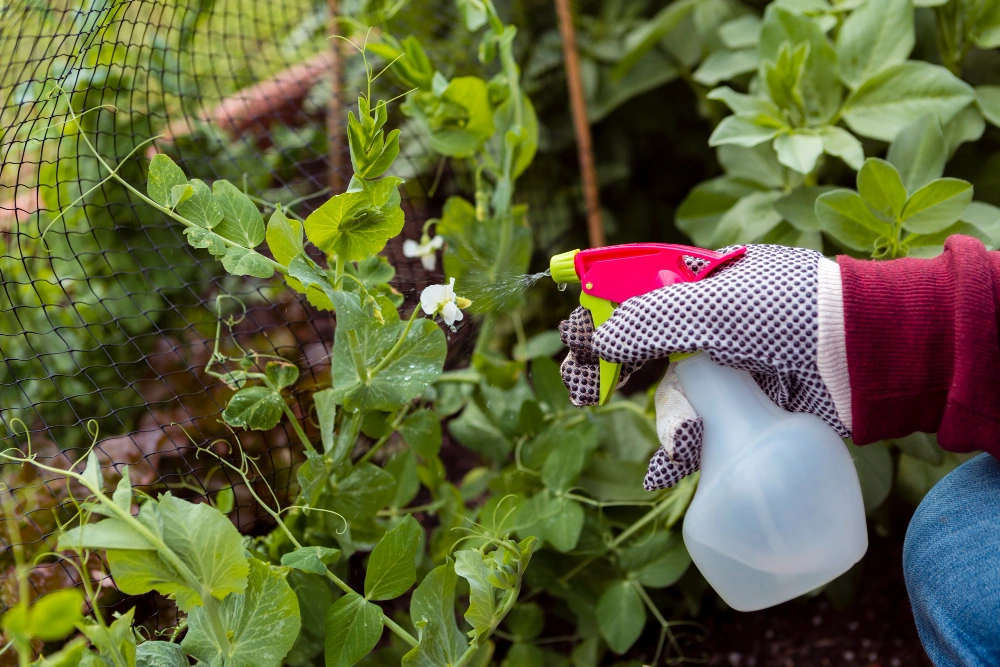
Natural Pesticides: Safe Solutions for Your Garden
Introduction:
Growing your own vegetables, fruits, and ornamental plants is one of the most rewarding experiences a homeowner can have. Pest infestations can quickly turn your thriving garden into a frustrating challenge. You may be committed to organic gardening and want to avoid harsh chemicals. Natural pesticides offer an effective, sustainable solution that protects both your plants and your family.
This comprehensive guide explores everything American gardeners need to know about organic pest control, from understanding how natural pesticides work to implementing proven DIY recipes and commercial alternatives. You may be dealing with aphids on your roses, spider mites on your tomatoes, or caterpillars munching on your vegetables. This article provides practical, actionable solutions.
What Are Natural Pesticides and Why Should You Use Them?
Understanding Natural Pesticides
Natural pesticides are pest control solutions derived from plants, minerals, and other naturally occurring substances. Unlike synthetic chemical pesticides, these organic alternatives work with nature rather than against it, making them ideal for sustainable gardening practices.
The key benefit of natural pesticide alternatives is their safety profile. They break down quickly in the environment, don’t accumulate in soil over time, and pose minimal risk to beneficial insects, children, and pets. For gardeners in the USA who prioritize health and sustainability, this makes natural pest control the obvious choice.
Benefits of Organic Pest Control
Natural pesticides offer multiple advantages beyond just pest elimination:
Environmental Safety: True organic pesticides are biodegradable and will not contaminate groundwater or harm soil microorganisms that keep your garden healthy.
Pet and Child Safety: Pesticides safe for pets and children mean you don’t have to worry about accidental exposure. Kids can play in the garden, and pets can safely roam without toxin concerns.
Beneficial Insect Protection: Natural pest control methods preserve ladybugs, lacewings, and other beneficial insects that naturally regulate pest populations.
Cost-Effectiveness: Natural pesticide spray recipes often use household ingredients, making them more economical than expensive synthetic alternatives.
Long-Term Garden Health: By using organic pest control methods, you build a balanced ecosystem where pests stay manageable without creating dependency on increasingly stronger chemicals.

Types of Natural Pesticides for Your Organic Garden
Plant-Based Natural Pesticides
Neem Oil Pesticide
Neem oil pesticide is one of the most popular organic pest control solutions among American gardeners. Derived from the neem tree, this natural compound disrupts insect reproduction and feeding patterns, making it effective against a wide range of garden pests.
Best for: Aphids, spider mites, scale insects, whiteflies, and mealybugs
How it works: Neem oil interferes with insects’ hormonal systems, preventing them from feeding and reproducing. It has antifungal properties, making it useful for controlling certain plant diseases.
Application tips: Spray neem oil pesticide on both sides of leaves during early morning or late evening when beneficial insects are less active. Repeat every 7-14 days as needed.
Pyrethrin Pesticides
Pyrethrin pesticides come from chrysanthemum flowers and are among the fastest-acting natural pest control options available. These compounds paralyze insects on contact, making them ideal for severe infestations.
Best for: Beetles, caterpillars, aphids, and flying insects
How it works: Pyrethrins attack the nervous system of insects, causing rapid paralysis and death. The compound breaks down quickly in sunlight, minimizing environmental impact.
Application tips: Use pyrethrin pesticides in the early morning or late evening. Always follow label directions carefully, as overuse can harm beneficial insects.
Insecticidal Soap
Insecticidal soap is a gentle yet effective natural pesticide spray that works by breaking down the cell membranes of soft-bodied insects.
Best for: Aphids, spider mites, whiteflies, and mealybugs
How it works: The soap dissolves the protective waxy coating on insect exoskeletons, causing dehydration and death.
Application tips: Spray directly on pests, ensuring good coverage on undersides of leaves. Reapply every 7 days or after rain.
Mineral-Based Natural Pesticides
Diatomaceous Earth for Pests
Diatomaceous earth for pests is a natural powder composed of fossilized algae. Food-grade diatomaceous earth is safe for use around pets and children and remains deadly to many garden insects.
Best for: Beetles, slugs, snails, caterpillars, and other crawling insects
How it works: The microscopic sharp edges of diatomaceous earth particles pierce insect exoskeletons, causing fatal dehydration. It’s completely non-toxic to humans and pets.
Application tips: Dust directly onto affected plants and soil. Reapply after rain or every 7-10 days. Use a dust applicator for even coverage.
Sulfur Pesticide
Sulfur pesticide is a naturally occurring mineral that’s been used for centuries in organic gardening. This approach proves effective against fungi and certain insect pests.
Best for: Powdery mildew, spider mites, and fungal diseases
How it works: Sulfur disrupts the respiration of fungi and certain insects, preventing infection and pest proliferation.
Application tips: Apply sulfur pesticide as a dust or spray. Avoid application when temperatures exceed 85°F to prevent damage to plant foliage. Don’t mix with oil-based products.
Microorganism-Based Natural Pesticides
Bacillus thuringiensis
Bacillus thuringiensis is a naturally occurring soil bacterium that produces toxins lethal to caterpillars and beetle larvae but harmless to humans, pets, and beneficial insects.
Best for: Caterpillars, tomato hornworms, cabbage worms, and other larvae
How it works: Insects that ingest Bt experience digestive system breakdown, causing them to stop feeding and die within 24–48 hours.
Application tips: Spray Bt directly on foliage, focusing on young plants. Apply in the evening for best results. Reapply after rain and every 7-10 days.
DIY Natural Pesticide Spray Recipes
Homemade Natural Pesticide Solutions for Common Garden Problems
Creating your own natural pesticide spray recipes is economical, effective, and gives you complete control over ingredients. Here are proven recipes for USA gardeners:
Garlic and Pepper Natural Pesticide Spray
Ingredients:
- 1 bulb of garlic, minced
- 1 tablespoon of hot pepper powder or 2-3 fresh hot peppers
- 1 tablespoon of liquid dish soap
- 1 quart of water
Instructions: Blend garlic and peppers with a small amount of water to create a paste. Strain the mixture through cheesecloth and combine with remaining water and dish soap. Spray on affected plants every 7-10 days.
Best for: Aphids, beetles, and caterpillars
Neem Oil Spray Recipe
Ingredients:
- 2 tablespoons of neem oil
- 1 tablespoon of liquid dish soap (emulsifier)
- 1 gallon of warm water
Instructions: Mix neem oil with dish soap to help it emulsify. Add to water and stir thoroughly. Spray on both sides of leaves during early morning or late evening. Reapply every 7-14 days or after rain.
Best for: Spider mites, scale insects, whiteflies, and mealybugs
Insecticidal Soap Spray Recipe
Ingredients:
- 1 tablespoon of pure castile soap
- 1 quart of water
Instructions: Simply mix soap with water in a spray bottle. Shake well before each use. Spray directly on pest-affected areas, ensuring good coverage on leaf undersides.
Best for: Soft-bodied insects like aphids and spider mites
Baking Soda and Oil Spray
Ingredients:
- 1 tablespoon of baking soda
- 1 tablespoon of horticultural oil or neem oil
- 1 tablespoon of liquid soap
- 1 gallon of water
Instructions: Mix all ingredients thoroughly. Spray on plants in the early morning or evening. This spray works well against powdery mildew and spider mites.
Best for: Fungal diseases and spider mites
Natural Pesticides for Specific Garden Pests
Natural Aphid Control
Aphids are among the most common garden pests, clustering on new growth and weakening plants by sucking sap.
Natural Aphid Control Methods:
Strong Water Spray: A forceful spray from your garden hose can dislodge aphids from plants. This works best for light infestations.
Insecticidal Soap: Spray directly on aphids. Repeat every 7 days until controlled.
Neem Oil Pesticide: Apply every 7-14 days for persistent aphid problems.
Garlic and Pepper Spray: The pungent smell deters aphids while causing minimal harm to beneficial insects.
Introducing Beneficial Insects: Ladybugs and lacewings are natural aphid predators. Planting flowering plants attracts these beneficial insects.
Natural Spider Mite Treatment
Spider mites are tiny pests that create fine webbing and cause stippled, yellowing leaves. They thrive in hot, dry conditions.
Natural Spider Mite Treatment Options:
Increase Humidity: Spider mites prefer dry conditions. Misting plants regularly can slow their reproduction.
Sulfur Pesticide: Apply sulfur dust or spray every 7-10 days. Do not use when temperatures exceed 85°F.
Neem Oil Spray: Highly effective against spider mites. Apply every 7 days until the issue is resolved.
Diatomaceous Earth for Pests: Dust food-grade DE on soil around affected plants.
Insecticidal Soap: Repeat applications every 5-7 days provide good control.
Organic Pest Control for Vegetables
Vegetable gardens face unique pest challenges. Organic pest control for vegetables prioritizes food safety and maintains the nutritional value of your harvest.
Common Vegetable Garden Pests and Solutions:
Tomato Hornworms: Use Bacillus thuringiensis (Bt) on young caterpillars. Hand-pick larger caterpillars.
Cabbage Worms: Apply Bt spray to brassicas every 7–10 days during the growing season.
Squash Bugs: Hand-pick bugs and eggs early in the season. Use neem oil for heavy infestations.
Cucumber Beetles: Install row covers over young plants. Use pyrethrin pesticides for developing infestations.
Natural Pesticides for Ornamental Plants
Natural Pest Control for Roses
Roses attract numerous pests, from aphids to spider mites and Japanese beetles. Organic pest control for roses keeps your blooms beautiful without synthetic chemicals.
Effective Natural Solutions for Roses:
Regular Inspection: Check the undersides of leaves weekly for early pest detection.
Neem Oil Pesticide: Spray every 7–10 days during the growing season for prevention and control.
Insecticidal Soap: Excellent for soft-bodied insects on roses.
Pruning: Remove affected leaves and stems to reduce pest habitat.
Beneficial Insects: Encourage ladybugs and parasitic wasps that prey on rose pests.
Where to Buy Natural Pesticides
Commercial Natural Pesticide Brands
Finding quality natural pesticide brands is essential for effective garden pest management. Many garden centers and online retailers in the USA offer reliable options:
Popular Organic Pesticide Products:
- Cold-pressed neem oil products
- Pyrethrin-based insecticides
- Insecticidal soap concentrates
- Bacillus thuringiensis formulations
- Food-grade diatomaceous earth
- Sulfur dust and spray formulations
Choose products certified by the Organic Materials Review Institute (OMRI) to ensure they meet organic gardening standards.
Natural Pesticide Reviews and Selection Tips
When evaluating natural pesticide reviews, consider these factors:
Effectiveness: Does the product work on your specific pest?
Safety: Is it safe for pets, children, and beneficial insects?
Application Method: Can you apply it with equipment you already own?
Environmental Impact: Will it break down quickly without harming beneficial organisms?
Cost: Compare price per application with alternatives.
Safety Considerations When Using Natural Pesticides
Pesticides Safe for Pets
Natural pesticides are generally safer than synthetic alternatives, but pet safety remains important.
Pet-Safe Pesticide Practices:
- Apply pesticides when pets are indoors
- Allow treated areas to dry completely before letting pets outside
- Use pet-safe formulations, particularly for diatomaceous earth and neem oil
- Keep pets away from treated areas for at least 24 hours
- Store all pesticide products securely away from pet access
Safety for Children
Child-Safe Pesticide Application:
- Apply natural pesticides during times when children aren’t in the garden
- Keep children away from treated areas until completely dry
- Wash hands thoroughly after application
- Never let children play in treated gardens for at least 24 hours
- Store all pesticide products in labeled containers out of reach
Environmental Impact of Natural Pesticides
Natural vs Chemical Pesticides: The environmental advantages of natural pesticides are significant. They break down rapidly, don’t accumulate in soil, and don’t contaminate groundwater like some synthetic pesticides.
Integrated Pest Management: Beyond Pesticides
Creating a Pest-Resistant Garden
Natural pesticides are valuable tools. The most effective pest control strategy combines multiple approaches:
Cultural Practices:
- Rotate crops annually to break pest cycles
- Remove plant debris where pests overwinter
- Space plants properly for good air circulation
- Water at the soil level to reduce fungal diseases
- Choose pest-resistant plant varieties
Physical Barriers:
- Use row covers over young plants
- Install netting to protect from birds and insects
- Handpick larger pests like caterpillars and beetles
Beneficial Insects:
- Plant flowers that attract ladybugs, lacewings, and parasitic wasps
- Avoid broad-spectrum pesticides that kill beneficial insects
- Provide water sources and shelter for beneficial insects
Monitoring:
- Scout plants regularly for early pest detection
- Address small infestations before they become serious
- Keep records of pest problems and effective solutions
Getting Started with Natural Pest Control
Your First Steps to Organic Pest Management
Transitioning to organic gardening with natural pest control is easier than expected:
Identify Your Pests Accurately identifying garden pests ensures you choose the right control method. Take photos and consult local extension offices when necessary.
Start with Prevention Implement cultural practices and beneficial insects before pest problems develop.
Use the Least Toxic Solution First Begin with water spray or insecticidal soap before moving to stronger natural pesticides.
Monitor Results Track which solutions work best for your garden conditions and pest pressures.
Build Your Natural Pesticide Arsenal Stock your garden shed with proven solutions such as neem oil, diatomaceous earth, and Bt for quick response.
Conclusion: Embracing Natural Pest Control in Your USA Garden
Natural pesticides represent a fundamental shift toward sustainable, health-conscious gardening. By choosing organic pest control methods, you protect your family, preserve beneficial insects, and maintain a healthy garden ecosystem for years to come.
Proven solutions exist for every garden pest challenge, whether you use store-bought natural pesticide brands or create DIY spray recipes. From natural aphid control to managing spider mites and protecting your vegetable garden, natural alternatives deliver results without compromising your values.