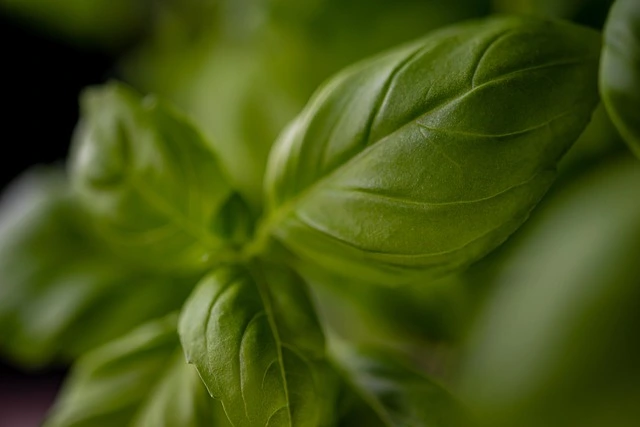
Discover Edible Herbs to Enhance Your Culinary Creations
Growing edible herbs at home transforms your cooking and connects you with nature. Fresh herbs from your garden deliver superior flavor compared to store-bought options while saving money and reducing your environmental footprint.
What Are Edible Herbs?
Edible herbs are plants with leaves, seeds, or flowers used primarily for flavoring, food, medicine, or fragrance. These versatile plants have been cultivated for thousands of years across different cultures. The aromatic compounds in herb leaves create the distinctive flavors that enhance countless dishes.
Most culinary herbs belong to specific plant families. The mint family includes basil, oregano, thyme, and sage. The parsley family encompasses cilantro, dill, and fennel. Understanding these plant families helps gardeners provide appropriate care for their herb gardens.
Benefits of Growing Your Own Edible Herbs
Freshness and Flavor
Homegrown herbs contain higher concentrations of essential oils than grocery store varieties. Picking herbs minutes before cooking preserves maximum flavor and aroma Store-bought herbs travel thousands of miles, losing potency during transport and storage.
Cost Savings
A single basil plant produces enough leaves for an entire summer of pesto making. One oregano plant provides seasoning for hundreds of meals. The initial investment in seeds or seedlings pays for itself within weeks.
Organic Control
Growing herbs organically means you control every aspect of cultivation. You decide what fertilizers to use, how to manage pests, and when to harvest. No synthetic pesticides or unknown chemicals touch your food.
Year-Round Availability
Many herbs thrive indoors during winter months. A sunny windowsill supports a rotating collection of fresh herbs in cold weather. Container gardening extends the growing season indefinitely.

Best Edible Herbs for American Gardens
Basil (Ocimum basilicum)
Sweet basil reigns as America’s favorite culinary herb. This warm-season annual thrives in USDA zones 4–11 with planting timed to the last frost. Genovese basil works perfectly for Italian dishes and pesto. Thai basil adds authentic flavor to Asian cuisine.
Basil plants require full sun exposure and consistent moisture. Pinching off flower buds encourages bushier growth and prolonged leaf production.
Cilantro (Coriandrum sativum)
Cilantro grows best during cool spring and fall weather. This fast-growing annual bolts quickly in summer heat. Succession planting every two weeks ensures continuous harvests throughout the growing season.
The leaves provide fresh cilantro. The seeds become coriander spice. Both parts of the plant offer culinary value. Cilantro prefers partial shade in hot climates and full sun in cooler regions.
Parsley (Petroselinum crispum)
Both flat-leaf and curly parsley varieties grow reliably across the United States. This biennial herb produces leaves the first year and flowers the second season. Italian flat-leaf parsley delivers a stronger flavor compared to curly varieties.
Parsley seeds germinate slowly, taking up to three weeks to sprout. Soaking seeds overnight speeds germination.
Rosemary (Rosmarinus officinalis)
Rosemary thrives as a perennial in zones 7-10 and grows as an annual in colder climates. This Mediterranean native prefers well-drained soil and full sun exposure. Established plants tolerate drought conditions remarkably well.
Upright varieties reach 4–6 feet tall. Trailing types work well in hanging containers. Fresh rosemary elevates roasted vegetables, meats, and bread recipes.
Thyme (Thymus vulgaris)
Common thyme forms low-growing perennial mats in zones 5-9. This drought-tolerant herb requires minimal maintenance once established. Dozens of thyme varieties offer different flavors, including lemon, caraway, and orange.
Thyme plants spread slowly and make excellent ground covers. The tiny leaves pack concentrated flavor requiring small amounts in recipes. Summer flowers attract beneficial pollinators to gardens.
Mint (Mentha species)
Peppermint and spearmint grow vigorously in zones 3-11. These perennial herbs spread aggressively through underground runners. Container growing prevents mint from overtaking garden beds.
Mint tolerates partial shade better than most herbs. Regular harvesting keeps plants compact and productive. Fresh mint enhances beverages, desserts, and Middle Eastern dishes.
Oregano (Origanum vulgare)
Greek oregano delivers the authentic flavor essential for Mediterranean cooking. This hardy perennial survives winters in zones 4-10. Plants form bushy clumps reaching 12-18 inches tall.
Oregano flavor intensifies when leaves are dried. Fresh oregano works well in salads and as a finishing herb. Plants require excellent drainage and full sun exposure.
Chives (Allium schoenoprasum)
Chives grow as clumps of hollow, grass-like leaves with mild onion flavor. These cold-hardy perennials thrive in zones 3-10. Purple flowers appear in spring and attract pollinators.
Garlic chives offer flat leaves with subtle garlic taste. Both varieties multiply readily and divide easily. Snipping leaves regularly encourages new growth throughout the season.
Sage (Salvia officinalis)
Garden sage produces gray-green leaves on woody stems. This perennial herb survives in zones 4-8 with proper winter protection. Purple, white, and variegated varieties add ornamental interest.
Sage requires well-drained soil and moderate watering. Plants become woody after 3-4 years and benefit from replacement. Fresh sage complements poultry, pork, and bean dishes.
Dill (Anethum graveolens)
Dill’s feathery foliage and yellow flower umbels create visual interest in herb gardens. This annual herb reseeds readily in favorable conditions. Both leaves and seeds provide culinary value.
Dill attracts beneficial insects including parasitic wasps and hoverflies. Plants prefer full sun and regular moisture. Fresh dill enhances fish dishes, pickles, and potato salads.
Starting Your Organic Edible Herbs Garden
Choosing the Right Location
Herbs require 6-8 hours of direct sunlight daily for optimal growth. South-facing locations receive maximum sun exposure in the Northern Hemisphere. Morning sun with afternoon shade works for heat-sensitive herbs like cilantro and parsley.
Good air circulation prevents fungal diseases and promotes healthy growth. Avoid planting herbs in low-lying areas where cold air settles.
Soil Preparation for Edible Herbs Gardens
Most herbs prefer well-drained soil with moderate fertility. Heavy clay soils require amendment with compost and perlite. Sandy soils benefit from compost additions to improve water retention.
Soil pH between 6.0-7.0 suits most culinary herbs. Testing soil before planting identifies required amendments. Mediterranean herbs tolerate slightly alkaline conditions. Most other herbs prefer neutral pH.
Organic matter improves soil structure and provides slow-release nutrients. Working amendments into the top 8-12 inches creates ideal growing conditions.
Container Edible Herbs Gardening
Containers offer flexibility for apartment dwellers and those with limited space. Terra cotta pots provide excellent drainage and breathability. Plastic containers retain moisture longer, requiring less frequent watering.
Drainage holes prevent waterlogged soil and root rot. A layer of gravel at the bottom improves drainage in larger containers. Potting mix formulated for vegetables works well for herbs.
Container size matters for herb growth and productivity. Basil and parsley require 12-inch pots minimum. Rosemary and sage need 14-16 inch containers. Mint grows well in 10-inch pots.
Seeds vs. Transplants
Starting herbs from seed costs less and provides more variety options. Basil, cilantro, and dill germinate easily from seed. Slow-growing herbs like rosemary and sage benefit from transplant starting.
Seed starting indoors extends the growing season in northern climates. Plant seeds 6-8 weeks before the last frost date. Hardening off seedlings gradually prevents transplant shock.
Purchasing organic transplants from nurseries saves time and ensures variety accuracy. Inspect plants carefully for pest and disease signs before buying.
Organic Care and Maintenance
Watering Requirements in Edible Herbs
Herbs prefer consistent moisture without waterlogging. Most varieties require 1 inch of water weekly through rainfall or irrigation. Container herbs need frequent watering than in-ground plantings.
Water early in the day to allow foliage to dry before evening. Wet leaves overnight encourage fungal diseases. Soaker hoses and drip irrigation deliver water efficiently to root zones.
Natural Fertilization in Edible Herbs
Herbs require less fertilization than vegetables. Excessive nitrogen produces lush foliage with diminished flavor.
Compost tea provides gentle nutrition every 3 to 4 weeks during active growth.
Fish emulsion and seaweed extract supply micronutrients and promote vigorous growth. Dilute according to package directions to avoid burning plants. Side-dressing with compost mid-season replenishes soil nutrients.
Organic Pest Management
Healthy plants resist pest problems better than stressed specimens. Proper spacing improves air circulation and reduces disease pressure. Regular inspection catches pest issues early and solutions work effectively.
Aphids cluster on tender new growth and spread plant viruses. Spraying plants with strong water jets dislodges aphids. Insecticidal soap controls severe infestations organically.
Companion planting confuses pests and attracts beneficial insects. Marigolds planted near herbs repel aphids and whiteflies. Yarrow and fennel attract parasitic wasps that control caterpillars.
Handpicking larger pests like caterpillars and beetles proves effective in small gardens. Drop collected pests into soapy water. Early morning collection works best insects are sluggish.
Pruning and Harvesting
Regular harvesting keeps herb plants productive and compact. Pinch stem tips frequently to encourage branching. Remove flower buds on basil, cilantro, and parsley to extend leaf production.
Harvest herbs in the morning after dew dries before heat intensifies. Essential oil concentration peaks during this window. Cut stems with sharp, clean scissors or pruners.
Remove no more than one-third of plant growth at each harvest. This allows plants to recover and continue producing. Frequent light harvests work better occasional heavy cutting.
Preserving Your Edible Herbs Harvest
Drying Edible Herbs
Air drying works well for low-moisture herbs like oregano, thyme, and sage. Bundle stems and hang upside down in a dark, well-ventilated area. Herbs dry completely in 1-2 weeks.
Dehydrators process herbs quickly and consistently. Set temperature to 95-105°F to preserve essential oils. Check herbs every few hours until crispy.
Store dried herbs in airtight glass containers away from light and heat. Whole leaves retain flavor longer than crushed. Label containers with herb name and date.
Freezing Fresh Edible Herbs
Freezing preserves herbs with high moisture content like basil, cilantro, and parsley. Wash and pat dry herbs thoroughly before freezing. Remove leaves from stems for easier storage.
Ice cube trays create portion-controlled herb cubes. Chop herbs and pack into compartments. Cover with water or olive oil and freeze solid.
Making Edible Herbs-Infused Oils and Vinegars
Herb-infused oils enhance cooking and make thoughtful gifts. Use dried herbs to prevent botulism risk. Combine herbs with olive oil and steep for 2-4 weeks.
Strain oils through cheesecloth into clean bottles. Store in cool, dark locations and use within 3-4 months. Popular combinations include rosemary-garlic and basil-lemon.
Seasonal Edible Herbs Growing Calendar
Spring (March-May)
Start cool-season herbs outdoors after the last frost date. Cilantro, parsley, and chives tolerate light frosts. Begin indoor seed starting for warm-season herbs.
Divide established perennial herbs like chives and mint. Replant divisions immediately and water thoroughly. Prune woody perennials to shape plants and remove winter damage.
Summer (June-August)
Warm-season herbs reach peak production. Harvest regularly to maintain plant vigor. Provide shade cloth for heat-sensitive herbs during extreme temperatures.
Succession plant cilantro and dill every two weeks. These fast-bolting herbs require replacement throughout summer. Deadhead flowering herbs to extend leaf production.
Fall (September-November)
Cool temperatures invigorate herbs stressed by summer heat. Cilantro, parsley, and chives produce abundantly. Take cuttings from tender perennials for indoor winter growing.
Harvest herbs heavily before the first frost. Preserve excess through drying and freezing. Mulch perennial herbs after the ground freezes for winter protection.
Winter (December-February)
Maintain indoor herb gardens on sunny windowsills. Supplemental grow lights support robust winter growth. Reduce watering as plants enter dormancy or slower growth phases.
Plan next season’s herb garden and order seeds. Research new varieties and companion planting strategies. Review notes from the previous season to improve results.
Common Growing Challenges and Solutions
Leggy Growth
Insufficient light causes stretched, weak stems. Move plants to brighter locations or add supplemental lighting. Pinch back leggy growth to encourage bushier plants.
Yellowing Leaves
Nutrient deficiency or overwatering typically causes yellowing. Test soil and amend as needed. Improve drainage in waterlogged areas. Allow soil to dry slightly between waterings.
Bolting
High temperatures trigger flowering in cool-season herbs. Plant bolt-resistant varieties in summer. Harvest frequently and remove flower buds promptly.
Poor Flavor
Excessive fertilization dilutes essential oils and reduces flavor intensity. Water stress before harvest concentrates flavors. Harvest at optimal times when oil content peaks.

Maximizing Flavor and Nutrition
Peak harvest timing significantly impacts herb flavor and nutrition. Essential oil concentration varies throughout the day and growing season. Understanding these patterns improves culinary results.
Herbs harvested before flowering contain the highest essential oil levels. Once plants bloom, energy shifts to reproduction and flavor diminishes. Regular pruning delays flowering and maintains quality.
Growing herbs organically increases nutrient density and beneficial phytochemicals. Chemical fertilizers may produce larger plants with less concentrated flavors.
Creating an Edible Herbs Spiral
Herb spirals maximize growing space and accommodate plants with different requirements. This permaculture design creates multiple microclimates in a compact footprint. The structure rises from ground level to 3-4 feet high.
Build the spiral with stones, bricks, or urbanite creating a coiled raised bed. Fill with well-draining soil mix. The top and south-facing side receive maximum sun and drainage for Mediterranean herbs.
Herbs Companion Planting
Strategic companion planting improves herb garden productivity and pest resistance. Basil planted near tomatoes enhances tomato flavor and repels aphids. The combination creates culinary convenience and garden benefits.
Chamomile improves the health of nearby herbs and acts as a living mulch. Borage attracts pollinators and its deep roots bring nutrients to the surface. Nasturtiums trap aphids away from valuable herbs.
Growing edible herbs organically provides fresh flavors, cost savings, and connection to your food sources. These versatile plants adapt to various growing conditions across American gardens and climates. Starting small with a few favorite herbs builds confidence and skills for expanding your collection over time.