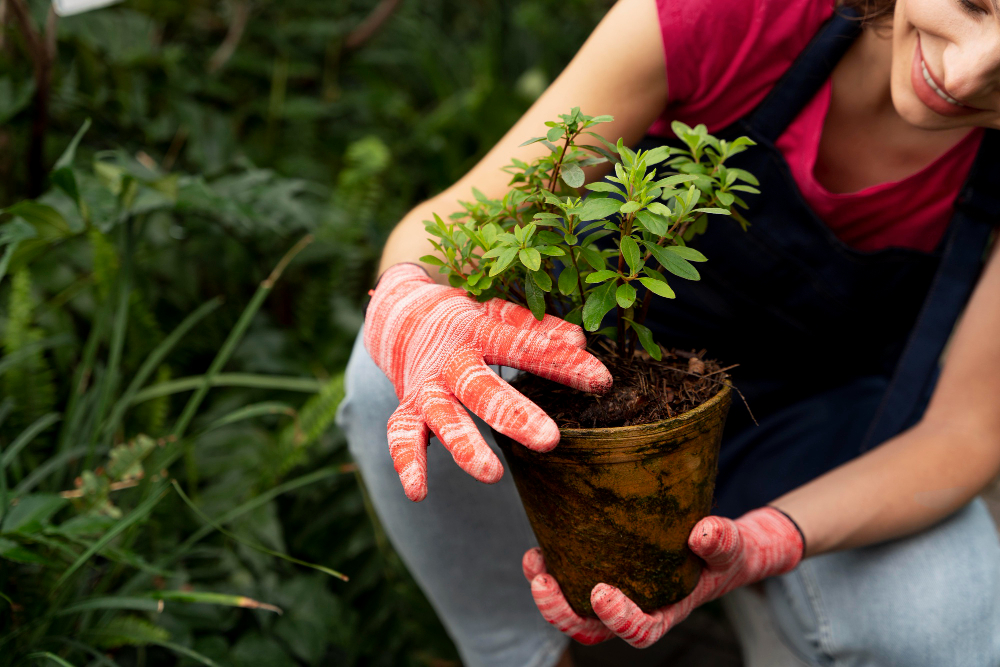
Essential Tips for Thriving in Sustainable Gardening
Are you ready to transform your backyard into a thriving, eco-friendly paradise? Sustainable gardening is a powerful way to reduce environmental impact and grow beautiful, healthy plants. Tend a small urban balcony or manage acres of land. These organic gardening practices help you create a garden that is good for you and better for the planet.
What is Sustainable Gardening?
Sustainable gardening means creating a garden ecosystem that works with nature, not against it. It’s about using resources wisely, minimizing waste, and building healthy soil that will nourish your plants for years to come. Think of it as giving back to the earth while it gives to you, a beautiful cycle that benefits everyone.
The best part? You don’t need fancy equipment or a degree in horticulture to get started. With some basic knowledge and a willingness to learn, anyone can become a sustainable gardener.
Why Choose Organic Gardening for Your Sustainable Gardening?
Organic gardening forms the foundation of truly sustainable practices. Skipping synthetic fertilizers and chemical pesticides protects beneficial insects, keeps toxins out of groundwater, and creates healthier food for your family.
In the USA, where we face diverse climate challenges from coast to coast, organic methods help build resilience into your garden. Plants grown in naturally enriched soil develop stronger root systems and better disease resistance. You’ll spend less time fighting problems and more time enjoying your harvest.

Building Healthy Soil: The Heart of Sustainable Gardening
Understanding Soil Health Improvement
Your soil is alive—literally teeming with billions of microorganisms that help plants thrive. Sustainable gardening starts beneath the surface, where healthy soil creates the foundation for everything else.
Most American gardens benefit from adding organic matter. You can achieve this through composting methods, cover cropping, or simply adding natural mulches. The goal is to create soil that drains well, holds moisture, provides nutrients naturally, and supports beneficial bacteria and fungi.
Composting Methods That Work
Composting turns your kitchen scraps and yard waste into “black gold” for your garden. You don’t need a complicated system—even a simple pile in the corner of your yard will work.
Start with a mix of “green” materials (vegetable scraps, grass clippings, coffee grounds) and “brown” materials (dried leaves, cardboard, newspaper). Keep it moist like a wrung-out sponge, turn it occasionally, and after a few months rich compost will be ready to feed your plants.
No-Till Gardening Techniques
Traditional tilling disrupts soil structure and kills beneficial organisms. No-till gardening preserves the soil’s natural ecosystem and reduces your workload. Simply add layers of compost and mulch on top of your existing soil each season.
This method helps reduce carbon footprint, as undisturbed soil stores more carbon and keeps it out of the atmosphere.
Water Conservation Gardening Strategies
Smart Rainwater Harvesting
Americans use nearly 9 billion gallons of water daily for outdoor purposes, with much of it going to gardens and lawns. Rainwater harvesting puts free, chlorine-free water to work in your garden.
A simple rain barrel on your downspout collects hundreds of gallons during a single storm. In many US states, this practice is encouraged with tax incentives.
Drip Irrigation Systems for Efficiency
Drip irrigation delivers water directly to plant roots, reducing waste from evaporation and runoff by up to 50% compared to traditional sprinklers. Timers ensure plants get consistent moisture even when you are away.
You can start small—even a soaker hose winding through your vegetable garden makes a huge difference in water efficiency.
Drought-Tolerant Plants for Every Region
Every region of the USA has native plants perfectly adapted to local rainfall patterns. In the Southwest, consider xeriscaping with beautiful succulents and native wildflowers. In the Southeast, try native azaleas and black-eyed Susans.
Native plant gardening reduces water needs and supports local pollinators and wildlife. It’s a win-win for sustainable gardening.
Natural Pest Control and Companion Planting
Chemical-Free Gardening Solutions
You don’t need harsh chemicals to manage pests. Integrated pest management starts with prevention—healthy plants resist pests naturally. Try these organic solutions first when problems arise:
Neem oil spray works against many common insects. A strong blast of water knocks aphids off plants. Hand-picking larger pests like tomato hornworms proves surprisingly effective.
The Power of Companion Planting
Certain plants protect each other when grown together. Marigolds repel many garden pests. Basil grown near tomatoes improves flavor and deters insects. Nasturtiums act as trap crops, luring aphids away from your vegetables.
This traditional technique reduces pest problems and maximizes garden space, ideal for small gardens.
Creating a Pollinator-Friendly Sustainable Gardening
Bees, butterflies, and other pollinators face serious challenges across the USA. Your sustainable garden can provide crucial habitat. Plant a variety of flowers that bloom throughout the growing season, avoid pesticides, and leave some “messy” areas with hollow stems where native bees can nest.
Consider adding native milkweed for monarch butterflies or planting a patch of clover in your lawn. These simple steps support biodiversity gardening and ensure your vegetables get pollinated.

Sustainable Gardening Design and Planning
Permaculture Design Principles
Permaculture applies natural patterns to garden design, creating low-maintenance, highly productive spaces. Key principles include:
- Observe before you act. Understand sun patterns, water flow, and microclimates.
- Stack functions—let each element serve multiple purposes
- Catch and store energy—from water harvesting to composting
- Use edges and value diversity
Climate-Resilient Sustainable Gardening Strategies
As weather patterns become less predictable across the USA, building resilience into your garden becomes essential. Choose plants adapted to your USDA hardiness zone, considering heat tolerance and drought resistance.
Create microclimates in your garden. A south-facing wall stores heat for tender plants, and a shaded area provides refuge during heat waves.
Vertical Gardening and Space Efficiency
Limited space doesn’t limit your sustainable gardening potential. Vertical gardening maximizes production in small areas and improves air circulation around plants.
Try trellising cucumbers and pole beans, growing tomatoes in towers, or creating a living wall of herbs. Container gardening on patios and balconies brings urban gardening to anyone, anywhere.
Growing Your Own Food Sustainably
Starting with Heirloom Seeds
Heirloom seeds represent centuries of careful selection for flavor, resilience, and regional adaptation. You can save heirloom seeds year after year, reducing costs and preserving genetic diversity.
Many heirloom varieties thrive in specific American regions because they were developed there. Look for varieties with local heritage—they’ll often outperform modern hybrids in your climate.
Seed Saving for Self-Sufficient Sustainable Gardening
Seed saving connects you to generations of gardeners and moves you toward self-sufficient gardening. Start with easy crops like tomatoes, beans, and lettuce. Let a few perfect specimens mature fully, harvest seeds, dry them thoroughly, and store in a cool, dark place.
This practice saves money, preserves varieties you love, and adapts plants to your specific garden conditions over time.
Edible Landscaping Ideas
Why grow grass when you can grow food? Edible landscaping replaces ornamental plants with productive alternatives that look beautiful and provide fresh produce.
Blueberry bushes offer stunning fall color. Fruit trees provide shade, flowers, and fruit. Herbs like rosemary and lavender work perfectly as border plants.
Recycled Garden Materials and DIY Projects
Using Recycled Materials in Your Sustainable Gardening
Sustainable gardening embraces creativity and resourcefulness. Old pallets become vertical planters. Wine bottles transform into garden edging. Broken terracotta pots create drainage layers in containers.
This zero waste gardening approach saves money and keeps materials out of landfills.
Natural Mulches and Soil Amendments
Skip dyed bark mulch and choose natural options. Shredded leaves, straw, grass clippings, and wood chips all work beautifully. As they break down, they feed your soil naturally.
For soil amendments, look locally—many municipalities offer free compost from yard waste programs. Coffee shops often give away used grounds.These organic soil amendments cost nothing and build incredible soil fertility.
Seasonal Planting Guide for Sustainable Gardening Success
Spring: Starting Strong
Spring in the USA varies dramatically by region. Sustainable principles remain constant. Prepare beds with compost rather than tilling. Plant cool-season crops like lettuce, peas, and broccoli while soil is still cool.
Use cover cropping in empty beds. Plant crimson clover or field peas to fix nitrogen and prevent erosion until ready to plant.
Summer: Managing Heat and Water
Summer challenges sustainable gardeners with heat stress and water demands. Deep mulching becomes crucial—apply 3-4 inches of organic mulch around all plants to conserve moisture and moderate soil temperature.
Focus on drought-tolerant plants during the hottest months. In most US regions, this is the time to maintain established plants efficiently, not start new ones.
Fall: Extending the Season
Fall offers a second growing season across much of the USA. Plant another round of cool-season vegetables, establish new perennials, and plant garlic for next year’s harvest.
This is prime time for composting and soil building. Add fallen leaves to compost bins or use them as mulch directly on beds.
Winter: Planning and Protecting
During dormancy, sustainable gardeners stay busy. Plan next year’s garden, order seeds, build or repair structures, and protect perennials with natural mulches.
In milder climates, many crops continue producing. In colder regions, try season extension with cold frames or low tunnels using recycled windows or hoops covered with row cover.
Common Mistakes to Avoid in Sustainable Gardening
Overdoing It at the Start
Starting with a massive garden often leads to burnout, even with enthusiasm. Begin with a small, manageable space and expand as you gain experience and systems.
Ignoring Your Soil
Everything starts with soil health improvement. Skipping this step means fighting an uphill battle against pests, diseases, and poor growth. Invest time in building great soil, and everything else becomes easier.
Fighting Your Climate
Sustainable gardening means working with your region’s natural patterns, not against them. Choose plants suited to your area, not species that need dramatically different conditions.
Forgetting About Water Access
Plan garden beds within reach of your water source. Drought-tolerant plants and rainwater harvesting reduce watering needs, but occasional irrigation is necessary. Make it convenient, or you won’t do it consistently.
Making Sustainable Gardening a Lifestyle
Sustainable gardening isn’t just about techniques—it’s a mindset that extends beyond your garden fence. As you compost kitchen scraps, harvest rainwater, and grow your own food, you’ll find this earth-friendly approach spreading to other areas of your life.
Start where you are with what you have. Every sustainable practice you adopt makes a difference. Your organic gardening efforts reduce chemical use, support pollinators, sequester carbon, and create habitat for wildlife.
You don’t need perfect conditions or expensive equipment. You need curiosity, patience, and a willingness to learn from successes and failures. Your garden teaches everything you need to know if you pay attention.
Your Sustainable Gardening Journey Starts Now
Ready to begin your sustainable gardening adventure? Start with one or two practices that resonate with you. Maybe you’ll begin composting this week, or plant your first native pollinator garden this spring. Perhaps you’ll install a rain barrel or commit to chemical-free gardening.
Whatever you choose, remember that sustainable gardening is a journey, not a destination. Each growing season brings new lessons and opportunities. Your garden will evolve, your skills will grow, and your impact will multiply.
The earth doesn’t need perfect gardens—it needs gardeners who try. Your sustainable garden, no matter how small, contributes to a healthier planet. Grab your gloves, step outside, and start growing something beautiful, bountiful, and sustainable today.