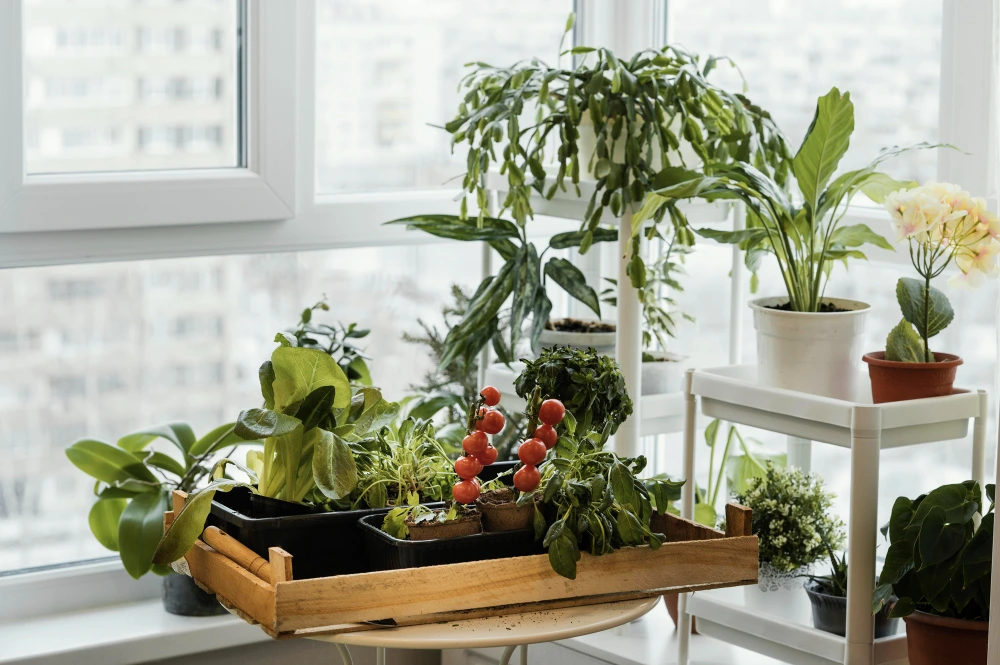
Grow Juicy Tomatoes Indoors: Your Ultimate Gardening Guide
Have you ever wished you could enjoy fresh, juicy, homegrown tomatoes all year long — even in the middle of a cold American winter? Good news: indoor gardening tomatoes makes that dream totally possible! Whether you live in a small apartment in New York City or a suburban home in Texas, growing organic tomatoes indoors is one of the most rewarding things you can do as a home gardener.
In this complete guide, we’ll walk you through everything you need to know — from picking the best tomato varieties for indoors to lighting, soil, watering, pest control, and harvesting.
Why Grow Tomatoes Indoors Organically?
More and more American gardeners are turning to indoor organic gardening, and for good reason. In fact, growing tomatoes indoors gives you full control over what goes into your food, which means you can ensure healthier, chemical-free produce. No synthetic pesticides. No chemical fertilizers. Just clean, natural, nutrient-rich tomatoes grown right inside your home.
Here are some of the biggest reasons why indoor organic tomato gardening is worth it:
You get fresh tomatoes 365 days a year, no matter the season or your climate zone. Avoid the harmful chemicals often found in store-bought produce. Save money on groceries over time. You reduce your carbon footprint by growing food at home.
For USA-based gardeners especially, indoor gardening is a game changer. Whether you’re dealing with harsh winters in Minnesota, hot summers in Arizona, or limited outdoor space in a California condo, growing tomatoes indoors gives you a productive garden regardless of your zip code.

Best Tomato Varieties for Indoor Gardening
Not every tomato plant is suited for indoor growing. You want compact, dwarf, or determinate varieties that don’t need a huge amount of space.
1. Tiny Tim
This is one of the most popular choices for indoor tomato gardening. Tiny Tim grows to only about 12 inches tall, making it perfect for windowsills and small pots. It produces adorable little cherry tomatoes that are sweet and delicious.
2. Tumbling Tom
Tumbling Tom is a cascading variety that works beautifully in hanging baskets. It’s great for small spaces and produces loads of cherry tomatoes. Both red and yellow varieties are available and grow well indoors.
3. Patio Tomato
As the name suggests, this variety was designed for small spaces. Patio tomatoes are compact, easy to manage, and produce medium-sized fruits. They do excellent in 5-gallon containers indoors near a south-facing window.
4. Sweet Million
If you want a high-yield cherry tomato for indoor growing, Sweet Million is a fantastic pick. It grows vigorously and can produce hundreds of sweet, flavorful tomatoes per season even indoors under grow lights.
5. Bush Early Girl
This is a determinate variety that stays compact and produces full-sized tomatoes. It’s one of the best options if you want regular-sized tomatoes without a sprawling, hard-to-manage plant indoors.
Setting Up Your Indoor Gardening Tomatoes
Getting the setup right is the foundation of a successful indoor tomato garden. Here’s what you need to think about before you plant your first seed.
Choosing the Right Container
Container selection is crucial when growing tomatoes indoors. Tomato roots need room to grow, so don’t go too small. For most compact varieties, a 5-gallon pot is the minimum. For larger varieties like Bush Early Girl, go with a 10-gallon container.
Make sure your containers have drainage holes at the bottom. Tomatoes hate sitting in waterlogged soil — it causes root rot and kills the plant fast.
Best Organic Potting Mix for Indoor Tomatoes
When it comes to organic indoor tomato gardening, your soil is everything. Skip the cheap, generic potting mixes and invest in a high-quality organic potting mix. Look for blends that contain compost, perlite, coco coir, and worm castings.
A good DIY organic mix you can put together yourself includes two parts organic compost, one part perlite for drainage, and one part coco coir for moisture retention. This gives your tomato plants a rich, well-draining medium that mimics the best garden soil.
You can also add a small amount of organic slow-release fertilizer like kelp meal or bone meal into the potting mix before planting.
Lighting for Indoor Gardening Tomatoes — The Most Important Factor
Here’s the honest truth: lighting is the single biggest challenge and the most important factor in indoor tomato gardening. Tomatoes are sun-loving plants that need a lot of light to grow, flower, and fruit properly.
Natural Light — Is It Enough?
If you have a large south-facing window that gets 8 or more hours of direct sunlight daily, you may be able to grow smaller cherry tomato varieties without grow lights. However, for most homes in the USA — especially during fall and winter — natural light alone is simply not enough to produce a good tomato harvest indoors.
Best Grow Lights for Indoor Tomatoes
This is where grow lights become your best friend. For indoor organic tomato gardening,
LED Grow Lights are the top recommendation for most home gardeners. They are energy-efficient, produce minimal heat, and provide the full spectrum of light that tomatoes need for both vegetative growth and fruiting. Look for full-spectrum LEDs with a color temperature between 3000K and 6500K.
T5 Fluorescent Lights are a good budget-friendly option, especially for seedlings and younger plants. They don’t produce as much intensity as LEDs, but they work well for compact varieties like Tiny Tim.
HID Lights (High-Intensity Discharge) are the most powerful option and are used by serious indoor growers. However, they produce a lot of heat and consume more electricity, making them less practical for casual home gardeners.
How Many Hours of Light Do Indoor Tomatoes Need?
Tomatoes need a minimum of 14 to 16 hours of light per day when grown indoors. Using a simple plug-in timer for your grow lights makes this effortless. Set it and forget it — your tomatoes will get exactly the light they need without you having to think about it every day.
Place your grow lights 6 to 12 inches above the tops of your plants and raise the light as the plants grow taller.

Organic Fertilizing for Indoor Gardening Tomatoes
One of the pillars of organic indoor tomato gardening is feeding your plants naturally. Synthetic fertilizers might produce fast results, but organic nutrients build healthier soil, stronger plants, and better-tasting tomatoes in the long run.
Best Organic Fertilizers for Indoor Tomatoes
Worm castings are one of the gentlest and most effective organic fertilizers for indoor tomatoes. They release nutrients slowly and improve soil structure at the same time. Mix them into your potting soil or use them as a top dressing.
Fish emulsion is a liquid organic fertilizer that’s excellent for the vegetative stage of tomato growth. It’s high in nitrogen, which supports leafy green growth. Dilute it in water and apply every two weeks during the early growing stage.
Kelp meal and seaweed extract are fantastic organic options that provide a wide range of micronutrients and natural growth hormones. They strengthen your plants and make them more resistant to stress, pests, and diseases.
Tomato-specific organic fertilizers are also available at most garden centers across the USA. Look for options labeled OMRI-certified, which means they meet the standards for use in certified organic growing.
When and How Often to Fertilize
During the early seedling stage, feed lightly every two weeks. Once your plants start flowering, switch to a fertilizer higher in phosphorus and potassium to support fruit development. Reduce nitrogen at this stage to avoid excessive leafy growth at the expense of tomatoes.
Watering Indoor Tomato Plants the Right Way
Watering is one of the most common areas where indoor gardeners make mistakes. Both overwatering and underwatering can seriously damage your tomato plants.
How Often to Water Tomatoes Indoors
A good general rule is to water your indoor tomato plants when the top inch of soil feels dry to the touch. Stick your finger about an inch into the soil — if it feels dry, it’s time to water.
On average, indoor tomatoes in containers need watering every 2 to 3 days depending on the size of the pot, the temperature in your home, and how much light the plant is getting. Plants under intense grow lights in small pots will dry out faster than those in larger containers near a window.
Best Watering Practices for Organic Indoor Tomatoes
Water deeply and thoroughly each time rather than giving shallow, frequent sips. Deep watering encourages roots to grow downward and become stronger. Water until it drains freely from the bottom of the pot, then discard the excess water from the saucer.
If possible, use filtered water or allow tap water to sit in an open container overnight before watering. This allows chlorine to evaporate, which is especially helpful for organic growers who want to protect the beneficial microbial life in their soil.
Pollinating Indoor Gardening Tomatoes — A Step Many Gardeners Miss
Outdoors, bees and the wind handle pollination for you. Indoors, you have to do it yourself. Without proper pollination, your tomato flowers will drop without ever setting fruit — and you’ll end up with a beautiful plant but no tomatoes.
How to Hand-Pollinate Your Indoor Tomato Plants
The good news is that hand-pollinating tomatoes is very easy.
The electric toothbrush method is the most effective. Gently touch a vibrating electric toothbrush to the stem just behind each open flower. The vibration mimics the buzz of a bee and shakes loose the pollen inside the flower, which then fertilizes the plant.
The finger tap method is even simpler. Just gently tap or flick the back of each flower cluster with your finger to release pollen. Do this once a day when the flowers are open — usually in the early afternoon.
You’ll know pollination was successful when the small green fruit begins to appear behind the flower within a week or two.
Common Pests and Problems with Indoor Gardening Tomatoes
Even indoors, tomato plants can face pests and disease challenges. The good news is that organic solutions work really well for most common issues.
Aphids
Aphids are tiny insects that cluster on new growth and suck the sap from your plants. An organic solution is to spray the affected areas with a diluted neem oil solution or a simple mixture of water and a few drops of organic castile soap. Repeat every few days until the aphids are gone.
Spider Mites
Spider mites thrive in hot, dry indoor environments. You’ll notice fine webbing on leaves and tiny dots moving around. Increase humidity around your plants and use neem oil spray to control them organically.
Fungal Issues and Blight
Overwatering and poor air circulation are the main culprits for fungal problems indoors. Make sure your growing area has good airflow — a small fan running on low nearby can make a big difference. Remove any affected leaves immediately and avoid wetting the foliage when watering.
Yellowing Leaves
If your indoor tomato plant leaves are turning yellow, it’s usually a sign of one of three things: overwatering, nitrogen deficiency, or insufficient light. Check your watering schedule, consider a light application of fish emulsion for a nitrogen boost, and make sure your grow lights are close enough to the plant.
When and How to Harvest Indoor Gardening Tomatoes
After weeks of care and patience, the moment of harvest is incredibly rewarding. Knowing when to pick your tomatoes at the right time ensures the best flavor.
Signs Your Indoor Tomatoes Are Ready to Harvest
Cherry tomatoes are ready when they have reached their full color — bright red, yellow, or orange depending on the variety — and feel slightly soft when gently squeezed. Full-sized varieties like Bush Early Girl are ready when they’re fully colored and no longer feel firm.
Don’t wait too long to harvest. Leaving tomatoes on the plant too long can cause them to split or become overripe.
How Long Does It Take to Grow Tomatoes Indoors?
From seed to first harvest, most indoor tomato varieties take between 60 and 80 days. Cherry tomato varieties tend to be on the faster end, while larger varieties take a bit longer. Starting from transplants instead of seeds can cut several weeks off your wait time.

Pro Tips for a Thriving Indoor Organic Tomato Garden
Here are a few extra tips from experienced indoor gardeners that can make a real difference in your results:
Use a small oscillating fan on low speed near your plants. This not only improves air circulation and reduces fungal risk, but it also strengthens plant stems over time — just like wind does outdoors.
Rotate your pots every few days if you’re relying partly on natural window light. This ensures all sides of the plant get even light exposure and prevents lopsided growth.
Prune your tomato plants regularly by removing suckers — the small shoots that grow in the crotch between the main stem and side branches. This redirects the plant’s energy toward fruit production instead of excessive leafy growth.
Keep a gardening journal. Tracking what you do and when — watering, fertilizing, pruning, pollinating — helps you learn what works best in your specific home environment.
FAQs:
Can tomato plants be grown indoors?
Tomatoes can thrive indoors in winter with the right light, warmth, and care.
What are the best tomatoes to grow indoors for beginners?
Cherry tomatoes and dwarf varieties.
Can I grow tomatoes without soil?
Another option if growing outdoors is not an option is the Aerogarden.
Final Thoughts — Start Your Indoor Organic Tomato Garden Today
Growing tomatoes indoors organically is one of the most fulfilling hobbies an American home gardener can take up. It connects you to your food, saves you money, and gives you access to fresh, chemical-free produce all year round — no matter where in the USA you live.
The key takeaways are simple: choose the right compact variety, set up proper lighting with full-spectrum LED grow lights, use a rich organic potting mix, fertilize naturally, hand-pollinate your flowers, and manage pests organically. Follow these steps with consistency and patience, and you’ll be harvesting your own beautiful, delicious, organically grown indoor tomatoes before you know it.