Mastering Spacing Plants: Tips for a Thriving Garden
Proper Spacing Plants stands as one of the most critical yet overlooked aspects of successful organic gardening. Many gardeners focus on soil quality, watering schedules, and organic pest control, ignoring the fundamental importance of giving plants adequate room to grow. Understanding spacing requirements transforms struggling gardens into productive, disease-resistant ecosystems that produce abundant harvests throughout the growing season.
Why Spacing Plants Matters in Organic Gardens
Plant spacing directly impacts every aspect of garden health and productivity. Each plant requires specific amounts of sunlight, root space, and nutrients to reach its full potential. Plants growing too close together compete for essential resources, causing stunted growth, reduced yields, and higher susceptibility to disease.
Organic gardeners face unique spacing considerations compared to conventional growers. Lack of synthetic fertilizers to boost nutrients and absence of chemical fungicides to combat disease make proper spacing essential for maintaining plant health naturally. Adequate space between plants promotes air circulation, which helps prevent fungal diseases that thrive in humid, crowded conditions.
The relationship between plant spacing and soil health deserves special attention in organic systems. Properly spaced plants develop stronger, more extensive root systems that improve soil structure over time. These healthy root networks work with beneficial soil microorganisms to create the living ecosystem that organic gardening depends upon.

Understanding Spacing Requirements for Different Plant Types
Different vegetables, herbs, and flowers require vastly different spacing to thrive. Learning to categorize plants by their spacing needs simplifies garden planning and ensures each crop receives appropriate room to grow.
Leafy Greens and Herbs
Leafy vegetables like lettuce, spinach, and arugula typically need 4-6 inches between plants. These crops grow quickly and have relatively shallow root systems, making them perfect for intensive planting methods. Herbs vary widely in their requirements. Basil plants need 12 inches of space for bushy, productive growth. Parsley thrives with 6-8 inches between plants.
The compact nature of most leafy greens makes them ideal candidates for succession planting. You can maximize garden space by planting small amounts every two weeks throughout the season.
Root Vegetables
Root vegetables require careful attention to spacing because overcrowding directly affects the size and quality of the edible portion. Carrots need approximately 2-3 inches between plants to develop straight, well-formed roots. Planting carrots too close together results in twisted, stunted roots that disappoint at harvest time.
Beets perform best with 3-4 inches of space between plants. Radishes grow rapidly and can tolerate slightly tighter spacing of 1-2 inches, making them excellent gap fillers between slower-growing crops.
Potatoes present unique spacing challenges because they grow underground while also producing substantial foliage above ground. Space seed potatoes 12 inches apart in rows 30-36 inches wide.
Fruiting Vegetables
Tomatoes, peppers, cucumbers, and squash require significantly more space than leafy greens or root crops. These plants produce extensive root systems and large canopies that need room to spread.
Pepper plants thrive with 18-24 inches of spacing. This distance allows air to circulate around plants, reducing humidity levels that promote fungal diseases. Good air circulation is important in humid regions. Peppers often struggle with bacterial spot and other moisture-related problems.
Cucumber plants grow as bush or vining types. Bush varieties need 24 inches of space. Vining cucumbers trained on trellises can grow 12 inches apart.
Squash and melon plants demand the most space in the garden. Summer squash varieties require 36 inches between plants. Winter squash and pumpkins need 48-60 inches.
Plant Density and Intensive Planting Methods
Modern organic gardening uses intensive planting techniques that maximize production and maintain plant health. These methods require understanding the relationship between plant spacing, yield, and garden management.
Square Foot Gardening Method
Square foot gardening divides raised beds into 12-inch squares, with each square containing a specific number of plants based on their mature size. Small plants like radishes fit 16 per square foot, medium plants like spinach need 9 per square, large plants like peppers require 1 per square, and extra-large plants like tomatoes need 1 plant for every 4 squares.
This method works well for organic gardens. It simplifies crop rotation, companion planting, and succession planting. You can easily replace harvested crops with new plantings, maintaining continuous production throughout the growing season.
Raised Bed Spacing Plants Strategies
Raised beds allow closer plant spacing than traditional row gardens. Gardeners never walk on the growing area. This prevents soil compaction and creates ideal growing conditions for intensive planting. Most raised beds measure 4 feet wide, allowing gardeners to reach the center from either side without stepping into the bed.
Plant in offset rows or hexagonal patterns instead of straight rows. This arrangement maximizes the number of plants per square foot and maintains adequate spacing. Lettuce plants spaced 6 inches apart in offset rows provide better yields than the same spacing in straight rows.
Spacing Plants to Prevent Disease in Organic Systems
Organic gardeners cannot rely on synthetic fungicides to control disease, making preventive spacing strategies essential for maintaining plant health.
Air Circulation and Humidity Control
Fungal diseases thrive in humid, stagnant air conditions created by overcrowded plants. Powdery mildew, downy mildew, and various blights spread rapidly when leaves stay wet for long periods. Spacing plants appropriately allows breezes to move through the garden, drying leaves after rain or morning dew.
In the southeastern United States, gardeners should increase standard spacing recommendations by 20-30% to promote maximum air flow. This extra space is important for disease-prone crops like tomatoes, cucumbers, and squash.
Vertical growing on trellises or stakes improves air circulation around individual plants. Training cucumbers, pole beans, and indeterminate tomatoes upward creates space beneath plants for air movement and maximizes garden square footage.
Light Penetration and Plant Health
Adequate light on all parts of each plant supports photosynthesis and overall vigor. Plants crowded together develop spindly, weak stems as they stretch toward available light. This etiolated growth makes plants more susceptible to disease and less productive.
Sun-loving crops like tomatoes, peppers, and squash need full exposure to thrive. Spacing these plants too closely creates shade that reduces fruit set and encourages disease.
Some crops tolerate partial shade and can be planted closer together or in the shadow of taller plants. Lettuce, spinach, and other cool-season greens benefit from afternoon shade in hot climates.
Row Spacing vs Area Spacing
Traditional row gardening and modern area-based spacing approaches each offer advantages for organic growers. Understanding both methods helps you choose the best approach for your specific garden situation.
Traditional Row Spacing
Row spacing originated in large-scale agriculture where machinery needed room to pass between plantings. Home gardeners adopted this method, creating rows 24-36 inches apart with plants spaced closer within rows.
The main disadvantage of row spacing in small gardens involves wasted space. Row spacing often proves less efficient than intensive planting methods for organic gardeners focusing on maximum production from limited space.
Row spacing does offer benefits for certain crops and situations. Long-season crops like indeterminate tomatoes, pole beans, and winter squash benefit from row planting. It provides easy access for maintenance, harvesting, and disease inspection throughout the growing season.
Area-Based Spacing Methods
Area spacing focuses on planting density across the entire bed, not on organizing plants into rows. This approach maximizes production by eliminating unused pathways and creating a living canopy that shades out weeds. Once plants reach mature size, their leaves touch, creating a microclimate that conserves soil moisture and moderates temperature extremes.
Square foot gardening represents the most popular area spacing method for home organic gardens. The grid system makes planning simple and accommodates diverse crops with different spacing requirements.
Offset or hexagonal planting patterns work well in raised beds and wide-row gardens. This arrangement places each plant at the points of a hexagon, with all neighbors equidistant.
Calculating Spacing Plants for Your Garden Layout
Proper spacing requires some basic math to determine how many plants fit in your available garden space. These calculations prevent overbuying seeds or transplants and ensure you purchase enough to fill your beds.
Measuring Your Garden Space
Start by measuring the length and width of your planting beds in inches. Multiply these numbers to find total square inches. Divide by 144 to convert to square feet. A bed measuring 48 inches by 96 inches contains 4,608 square inches or 32 square feet.
Subtract space for pathways if you plan to step into beds for maintenance or harvesting. Most gardeners need 18-24 inch wide paths to move comfortably through the garden.
Determining Plants Per Square Foot
Divide 12 inches by your desired plant spacing to find how many plants fit in one row of a square foot. For lettuce spaced 4 inches apart, you get 3 plants per row. With 3 rows per square foot at 4-inch spacing, you can grow 9 lettuce plants per square foot.
This formula works for any spacing measurement. Plants requiring 6-inch spacing yield 4 per square foot, 3-inch spacing allows 16 per square foot, and 12-inch spacing accommodates just 1 plant per square foot.
Companion Planting and Spacing Considerations
Companion planting pairs crops that benefit each other. These relationships require careful spacing to work effectively.
Spacing Complementary Plants
The classic “three sisters” combination of corn, beans, and squash demonstrates proper companion spacing. Corn plants spaced 12 inches apart in rows 30 inches wide provide support for pole beans planted 6 inches from corn stalks. Squash plants positioned between corn rows shade the soil, suppress weeds, and benefit from the nitrogen that beans fix in the soil.
Tall plants can shade shorter companions when positioned on the north side of beds in northern hemisphere gardens. Trellised cucumbers or pole beans should be placed so their shade falls on heat-sensitive lettuce or spinach during the hottest part of summer.
Aromatic herbs like basil, oregano, and thyme may deter certain pests when planted near vulnerable crops. Space these herbs around garden perimeters or intersperse them between vegetables, maintaining appropriate distances for all plants involved.
Avoiding Competition
Some companion planting advice suggests combinations that create too much competition to succeed. Planting heavy feeders like tomatoes and peppers close together depletes soil nutrients faster than organic amendments can replenish.
Allelopathic plants release chemicals that inhibit nearby plant growth. Fennel should be isolated from most garden crops. Black walnut trees affect wide areas beneath their canopies.
Spacing Plants in Containers and Small Spaces
Container gardening and small-space growing present unique spacing challenges and opportunities.
Container Spacing Plants
Match container size to plant spacing requirements. A single tomato plant needs at least a 5-gallon container to develop properly. Lettuce can thrive in containers as small as 1 gallon. Multiple plants in shared containers must maintain their recommended spacing distances just as in garden beds.
Large containers can accommodate multiple crops using square foot gardening principles. A 24-inch diameter pot contains approximately 3 square feet of surface area. Plant 9 lettuce, 4 Swiss chard, or 1 pepper plant in this container while maintaining proper spacing for each crop.
Vertical Growing Solutions
Trellises, stakes, and cages transform sprawling plants into space-efficient vertical growers. Indeterminate tomatoes, pole beans, cucumbers, and peas produce more fruit in less space when trained upward. Plants can be spaced closer together when growing vertically because their foliage grows upward instead of outward.
Common Spacing Plants Mistakes to Avoid
Overcrowding Seedlings
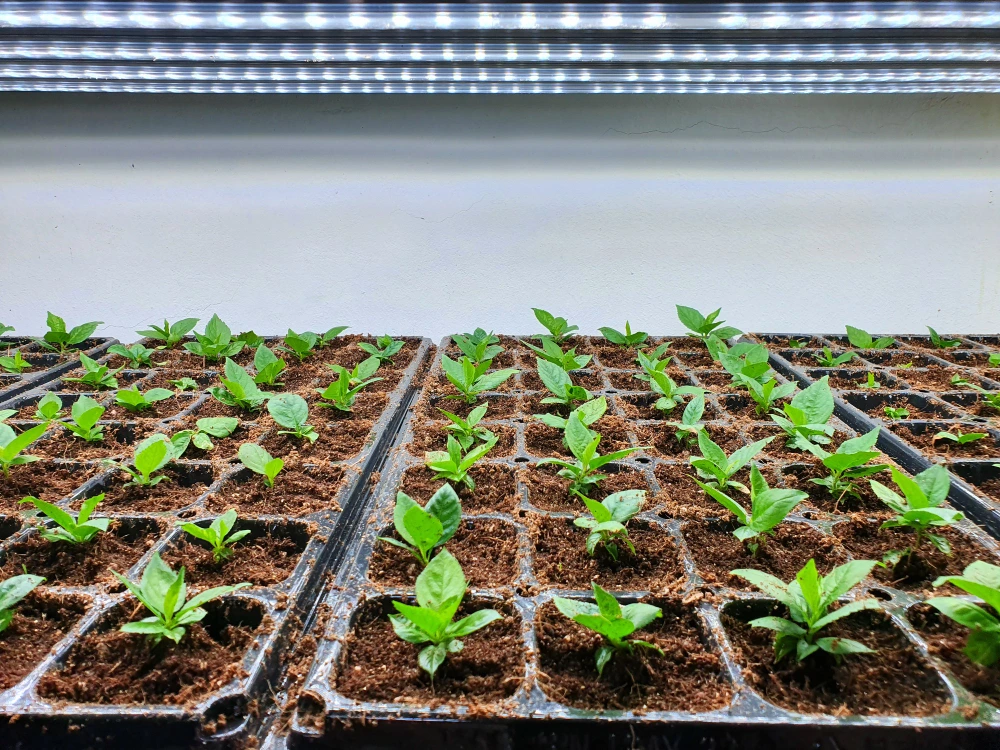
Direct-seeded crops often germinate more densely than recommended spacing. Many gardeners hesitate to thin seedlings, feeling wasteful removing healthy plants. Thinning remains essential for proper spacing and healthy development. Overcrowded seedlings compete for light, water, and nutrients, resulting in weak plants and poor harvests.
Thin seedlings as they develop their first true leaves. Remove the weakest plants, leaving only the healthiest at proper spacing. Scissors work better than pulling. Pulling can disturb the roots of remaining plants.
Ignoring Mature Plant Size
Many crops appear small as seedlings but grow much larger over time. Transplanting based on seedling size rather than mature dimensions leads to overcrowding.
Seed packets and plant tags provide valuable spacing information. Recommendations sometimes vary. Conservative spacing choices benefit organic gardens where disease prevention takes priority.
Underestimating Vining Plants
Determinate and bush varieties of tomatoes, cucumbers, and squash occupy significantly less space than vining types. Mixing these plant types when planning spacing creates problems as the season progresses.
Vining crops need generous spacing to spread or support structures to grow vertically. A vining winter squash planted with summer squash spacing will overtake nearby plants as it spreads.
Adjusting Spacing Plants for Climate and Growing Conditions
Regional climate variations require spacing adjustments for optimal plant performance.
Humid Climate Considerations
High humidity regions like the southeastern United States require more generous plant spacing than drier areas. The additional space improves air circulation, helping foliage dry quickly after rain or heavy dew.
Humid-climate gardeners should increase standard spacing recommendations by 20-30% for disease-prone crops. Tomatoes, cucumbers, squash, and melons benefit from extra space in these regions.
Arid Climate Spacing Plants
Desert and semi-arid regions face opposite challenges. Slightly tighter spacing creates beneficial shade that reduces soil moisture evaporation and protects plants from intense sun exposure.
Some desert gardeners practice extremely intensive planting to create shade canopies that moderate temperature extremes. This approach works only with adequate irrigation to support increased plant density.
Short Season Adaptations
Northern gardens with short growing seasons benefit from closer spacing that promotes faster canopy development. The living mulch created by touching plant leaves warms soil, suppresses weeds, and extends the productive season. Quick-maturing crops like lettuce, radishes, and spinach excel with intensive spacing in cool climates.
Cold-climate gardeners can start more plants indoors and transplant them at closer spacing than recommended for direct seeding.
Organic Fertilization and Spacing Relationships
Proper plant spacing influences nutrient availability and fertilization requirements in organic gardens.
Nutrient Competition and Plant Density
Closely spaced plants compete for nutrients, potentially depleting soil faster than widely spaced crops. Intensive planting systems require more frequent organic fertilization to maintain soil fertility.
Different crops extract nutrients at varying rates. Nitrogen-hungry crops like corn, tomatoes, and squash need more fertilizer than light feeders such as beans, peas, and root vegetables.
Building Soil Fertility Through Spacing Plants
Cover crops and green manures require specific spacing to build soil organic matter effectively. Broadcast seeding creates dense plantings that suppress weeds and add maximum biomass to soil. Common cover crops like crimson clover, annual ryegrass, and buckwheat thrive when broadcast at recommended rates for your garden size.
Conclusion:
Mastering plant spacing transforms organic gardens from struggling to thriving ecosystems. Proper spacing prevents disease, maximizes yields, and creates the growing conditions that organic plants need to reach their full potential. Understanding the unique requirements of different crops, adjusting for climate and growing method, and avoiding common mistakes sets the foundation for gardening success.
Start by implementing proper spacing for just a few key crops this season. Monitor results carefully and adjust your approach based on what you observe in your specific garden conditions.
The investment in proper spacing pays dividends throughout the growing season and builds soil health for future years. Your organic garden becomes more productive, requires less maintenance, and produces the abundant harvests that make gardening worthwhile.