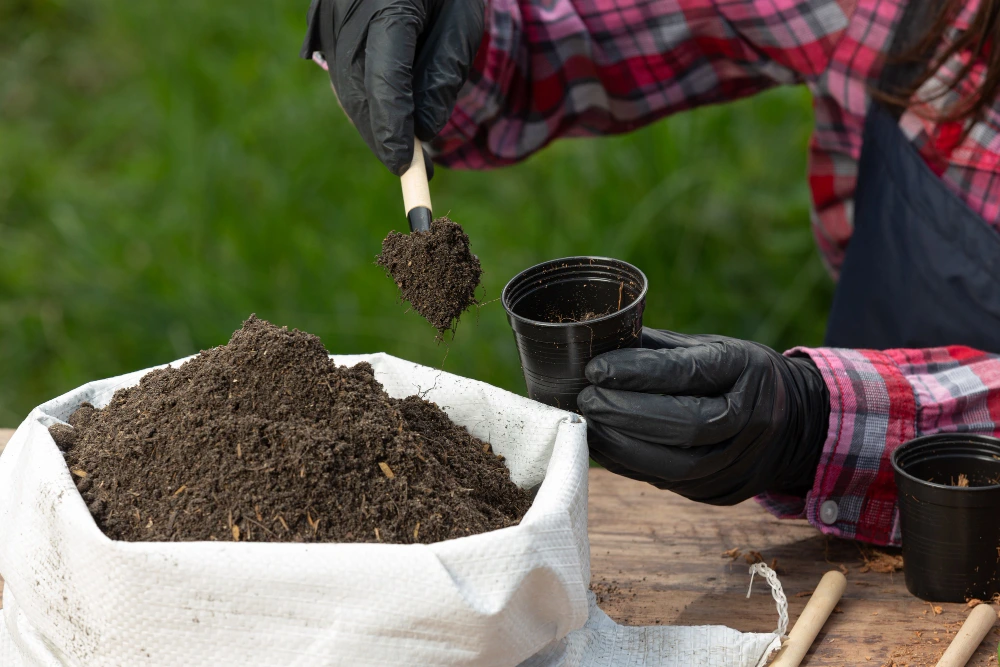
Organic Gardening Fertilizer
Organic gardening fertilizer is one of the most important tools for anyone who wants to grow healthy plants, nutrient rich vegetables, and vibrant flowers without relying on synthetic chemicals. Across the United States, gardeners are turning to organic gardening methods to protect soil health, reduce environmental damage, and produce safer food for their families.
Unlike chemical fertilizers that provide quick but short lived results, organic gardening fertilizers focus on building long term soil fertility. They work in harmony with nature, supporting beneficial microorganisms, improving soil structure, and releasing nutrients slowly so plants can absorb them efficiently.
This in depth guide explains everything you need to know about Gardening fertilizer, including soil science, fertilizer types, application methods, seasonal schedules, plant-specific needs, common mistakes, and environmental benefits. Whether you are a beginner or an experienced gardener, this article will help you grow a healthier and more sustainable garden.
What Is Organic Gardening Fertilizer?
Organic fertilizer refers to any fertilizer made from natural sources, such as plant materials, animal by products, and naturally occurring minerals. These fertilizers are free from synthetic chemicals and artificial additives.
Characteristics
- Derived from natural ingredients
- Improves soil health over time
- Releases nutrients slowly
- Encourages beneficial soil life
- Safe for people, pets, and pollinators
Organic fertilizers do not feed plants directly in the same way chemical fertilizers do. Instead, they feed the soil, which then feeds the plants.

How Work in the soil
The Role of Soil Microorganisms
Healthy soil is alive. It contains:
- Bacteria
- Fungi
- Protozoa
- Earthworms
Gardening fertilizer provides food for these organisms. As they break down organic matter, nutrients become available to plant roots in forms plants can easily absorb.
Slow and Steady Nutrient Release
Unlike synthetic fertilizers that release nutrients all at once, organic fertilizers:
- Reduce nutrient leaching
- Prevent fertilizer burn
- Provide consistent nutrition
- Improve nutrient retention
This slow-release process results in stronger, more resilient plants.
Why Organic Gardening Fertilizer Is Important
Many soils across the United States have been degraded by years of chemical fertilizer use, intensive farming, erosion, and urban development. Gardening fertilizer helps reverse this damage.
Major Benefits Organic Gardening Fertilizer
- Restores depleted soils
- Improves water retention in dry regions
- Reduces runoff into lakes and rivers
- Supports pollinators like bees and butterflies
- Promotes sustainable food production
For home gardeners, organic fertilizers are especially valuable when growing fruits and vegetables for personal consumption.
Organic vs Chemical Fertilizers
Organic Gardening Fertilizer
- Improve soil structure
- Enhance microbial activity
- Provide balanced nutrition
- Environmentally friendly
Chemical Fertilizers
- Provide quick growth spurts
- Do not improve soil health
- Can damage beneficial microbes
- Increase risk of water pollution
Over time, organic fertilizer produces healthier soil and better long term results.
Before Using Organic Fertilizer
Why Soil Health Comes First
Healthy soil:
- Supports strong root systems
- Improves nutrient uptake
- Enhances drought tolerance
- Reduces plant stress
Gardening fertilizer works best when combined with good soil management practices.
Soil Testing for Organic Gardening Fertilizer
A soil test helps determine:
- Soil pH
- Nutrient deficiencies
- Organic matter levels
Testing your soil allows you to choose the right organic fertilizer for your garden specific needs.
Understanding NPK and Nutrients in Organic Gardening Fertilizer
Primary Nutrients (NPK)
Nitrogen (N)
- Promotes leafy growth
- Essential for chlorophyll production
- Important for vegetables like lettuce and spinach
Phosphorus (P)
- Encourages root development
- Supports flowering and fruiting
- Important for seed and fruit production
Potassium (K)
- Strengthens plant tissues
- Improves disease resistance
- Helps plants tolerate stress
Organic fertilizers often contain lower NPK numbers, but they work more efficiently due to improved soil biology.
Secondary Nutrients
- Calcium
- Magnesium
- Sulfur
Micronutrients
- Iron
- Zinc
- Boron
- Copper
- Manganese
Organic fertilizers naturally supply these nutrients in balanced amounts.
Types of Organic Gardening Fertilizer
Compost
Compost is decomposed organic matter and is considered the most complete gardening fertilizer.
What Compost Is Made
- Kitchen scraps
- Yard waste
- Leaves and grass clippings
- Plant residues
Benefits of Compost
- Improves soil structure
- Increases organic matter
- Enhances water retention
- Adds beneficial microorganisms
How to Use Compost
- Mix into soil before planting
- Use as a top dressing
- Add to raised beds and containers
Animal Based
Composted Animal Manure
Animal manure is rich in nutrients when properly composted.
Common Types
- Cow manure
- Chicken manure
- Horse manure
Best Uses: Vegetable gardens, fruit trees, flower beds
Always use well-aged or composted manure.
Bone Meal
Bone meal is a natural source of phosphorus and calcium.
Best For:
- Root crops
- Flowering plants
- Bulbs and fruit trees
Blood Meal
Blood meal is a high nitrogen organic fertilizer.
Best For:
- Leafy vegetables
- Nitrogen deficient soils
Use sparingly to avoid excessive growth.
Plant-Based
Alfalfa Meal
- Adds nitrogen
- Improves soil structure
Cottonseed Meal
- Slightly acidic
- Ideal for acid loving plants
Soybean Meal
- Balanced nutrients
- Sustainable option
Marine-Based
Fish Emulsion
- Fast acting liquid fertilizer
- Excellent nitrogen source
Fish Hydrolysate
- Less processed
- Rich in trace minerals
Seaweed and Kelp Fertilizer
- Contains growth hormones
- Improves stress tolerance
Vermicompost
Worm castings are one of the most powerful organic gardening fertilizers available.
Benefits of Worm Castings
- Improves root development
- Enhances microbial activity
- Gentle and non-burning

Organic Gardening Fertilizer for Vegetable
Vegetables require consistent and balanced nutrition.
Leafy Vegetables
- Compost
- Fish emulsion
- Blood meal
Root Vegetables
- Compost
- Bone meal
- Low nitrogen fertilizers
Fruiting Vegetables
- Balanced compost
- Seaweed fertilizer
Organic Gardening Fertilizer for Fruit Trees
Fruit trees need long term soil fertility.
Best Practices in Organic Gardening Fertilizer
- Compost around the drip line
- Apply manure based fertilizers annually
- Use seaweed fertilizer for stress resistance
Organic Gardening Fertilizer for Flower Gardens
Flowers benefit from balanced nutrition.
Recommended Options
- Bone meal
- Compost tea
- Seaweed fertilizer
Organic Gardening Fertilizer for Lawns
lawn care improves soil naturally.
Organic Lawn Fertilizer Options
- Compost top dressing
- Organic lawn blends
- Grass clippings
Organic Gardening Fertilizer for Raised Beds
Raised beds lose nutrients faster.
Best Strategy
- Seasonal compost additions
- Monthly worm castings
- Liquid feeding when needed
Organic Gardening Fertilizer for Container
Containers require frequent feeding.
Recommended Schedule
- Compost-based potting mix
- Liquid organic fertilizer every 2–3 weeks
How to Apply Organic Gardening Fertilizer Correctly
Prepare the Soil
- Remove weeds
- Loosen compacted soil
- Test soil pH
Choose the Right Organic Gardening Fertilizer
- Match fertilizer to plant needs
Apply Fertilizer
- Spread evenly
- Avoid direct contact with stems
Water Thoroughly
- Helps nutrients move into soil
Methods: Organic Gardening Fertilizer
Top Dressing
Applying fertilizer to soil surface.
Side Dressing
Applying near plant roots.
Soil Incorporation
Mixing fertilizer into soil.
Foliar Feeding
Spraying diluted fertilizer on leaves.
Schedule: Organic Gardening Fertilizer
Spring
- Compost application
- Nitrogen rich organic fertilizers
Summer
- Liquid organic feeding
- Compost tea every few weeks
Fall
- Organic matter addition
- Soil conditioning
Winter
- Mulching
- Soil rest
Homemade Fertilizer Options
Compost Tea
Boosts microbial activity.
Banana Peel Fertilizer
Provides potassium.
Eggshell Calcium Powder
Improves calcium levels.
Coffee Grounds
Adds nitrogen and organic matter.
Common Mistakes When Using
Over-Fertilizing
Too much fertilizer can harm plants.
Using Fresh Manure
Can burn roots and spread pathogens.
Ignoring Soil pH
Wrong pH limits nutrient absorption.
Expecting Instant Results
Organic gardening requires patience.
Benefits of Organic Gardening Fertilizer
- Reduces chemical runoff
- Protects groundwater
- Supports pollinators
- Improves biodiversity
- Builds soil carbon
(FAQs):
How often should organic fertilizer be applied?
Every 4–6 weeks during the growing season.
Is organic fertilizer safe for vegetables?
Yes, it is ideal for edible crops.
Can organic fertilizer fully replace chemical fertilizer?
Yes, in most home gardens.
Final Conclusion:
Gardening fertilizer builds healthy soil, strengthens plants, and supports sustainable gardening practices. For gardeners in the USA, it offers a natural and effective way to grow better food while protecting the environment.
By feeding your soil instead of forcing plant growth, you create a garden that improves year after year