Organic Gardening Soil:
Organic gardening starts from the ground up literally. If plants are the heart of your garden, organic gardening soil is the lifeblood that keeps everything thriving. Healthy soil determines how well your plants grow, how resistant they are to pests and diseases, and how productive your garden will be season after season.
In recent years, organic gardening soil has become increasingly common and widely used across the United States. More home gardeners, urban growers, and even commercial farms are choosing organic soil practices to grow healthier food, protect the environment, and build long-term soil fertility.
This comprehensive guide will walk you through everything you need to know about soil from understanding what it is, why it matters, how to improve it, and how to use it effectively in different types of gardens.
What Is Organic Gardening Soil?
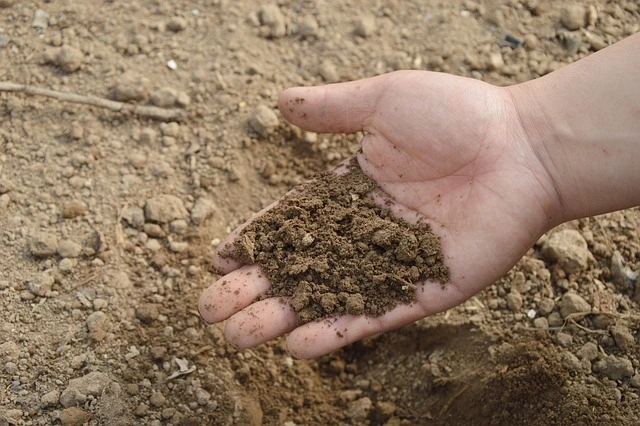
Organic gardening soil is living soil rich in organic matter, beneficial microorganisms, and natural nutrients. Unlike conventional soil that may rely on synthetic fertilizers and chemicals, organic soil is built using natural inputs such as compost, leaf mold, manure, and plant-based amendments.
Key Characteristics
- Free from synthetic chemicals and pesticides
- Rich in organic matter
- Supports beneficial bacteria, fungi, and earthworms
- Improves soil structure and water retention
- Releases nutrients slowly and naturally
Organic gardening soil doesn’t just support plants it supports an entire underground ecosystem that works together to nourish roots and improve plant health.

Why Organic Gardening Soil Matters More Than Ever
Across the USA, gardeners are becoming more aware of the long term damage caused by chemical heavy gardening methods. Organic soil offers a sustainable alternative.
Benefits
Healthier Plants
Plants grown in organic soil develop stronger root systems, improved nutrient uptake, and natural resistance to pests and diseases.
Better Food Quality
Vegetables and fruits grown in organic soil often have better flavor, higher nutrient density, and no chemical residue.
Environmental Protection
Organic soil practices reduce water pollution, protect beneficial insects, and improve carbon sequestration.
Improved Soil Life
Earthworms, fungi, and microbes thrive in organic soil, continuously improving soil fertility.
Healthy Organic Gardening Soil Structure
Soil structure refers to how soil particles (sand, silt, and clay) bind together. Good soil has a crumbly texture, allowing roots to grow freely while retaining moisture and nutrients.
Components of Healthy Organic Soil
1. Mineral Particles
- Sand: Improves drainage
- Silt: Holds nutrients
- Clay: Retains moisture
2. Organic Matter
Organic matter is the backbone of soil. It feeds microbes and improves soil texture.
3. Air and Water
Healthy soil contains both oxygen and water essential for root growth and microbial activity.
Organic Matter
Organic matter includes decomposed plant and animal materials that enrich the soil.
Common Sources
- Compost
- Aged manure
- Leaf mold
- Grass clippings
- Cover crops
Adding organic matter regularly improves soil fertility, water retention, and microbial life.
Compost
Compost is one of the most important ingredients in gardening soil.
Benefits of Compost
- Improves soil structure
- Adds slow-release nutrients
- Enhances beneficial microorganisms
- Reduces soil compaction
Compost Ingredients
- Greens: Kitchen scraps, fresh grass
- Browns: Dry leaves, cardboard, straw
Regular compost application is one reason organic gardening soil is now widely adopted by gardeners across the USA.
Understanding Soil pH in Organic Gardening Soil
Soil pH affects nutrient availability. Most plants thrive in slightly acidic to neutral soil.
Ideal pH Range
- Vegetables: 6.0–7.0
- Herbs: 6.0–7.5
- Flowers: 5.5–7.0
Natural Ways to Adjust Soil pH
- Add compost to balance pH naturally
- Use lime to raise pH
- Use sulfur to lower pH
gardening soil relies on gradual, natural pH adjustments rather than chemical treatments.

Beneficial Microorganisms and Life Beneath the Soil
Healthy gardening soil is alive.
Important Soil Organisms
- Bacteria: Break down organic matter
- Fungi: Transport nutrients to roots
- Mycorrhizae: Improve water and nutrient absorption
- Earthworms: Aerate soil and produce castings
These organisms create a natural nutrient cycle that synthetic fertilizers cannot replicate.
Different Types
Backyard Gardens
Traditional in-ground gardens benefit from compost, mulch, and crop rotation.
Raised Bed Gardening
Organic soil for raised beds should be loose, nutrient-rich, and well-draining.
Ideal Raised Bed Mix
- 40% compost
- 40% topsoil
- 20% aeration material
Container Gardening
Organic potting soil is lighter and designed for drainage.
Gardening Soil for Vegetables
Vegetables demand nutrient rich soil.
Best Practices
- Add compost before planting
- Mulch regularly
- Avoid soil compaction
Vegetable-Specific Tips
- Tomatoes: Rich compost + calcium
- Leafy greens: Nitrogen rich soil
- Root vegetables: Loose, stone free soil
Organic Gardening Soil Soil for Flowers
Flowers thrive in organic soil with balanced nutrients.
Benefits
- Brighter blooms
- Longer flowering periods
- Stronger stems
Organic soil also supports pollinators, making it a favorite choice among eco-conscious gardeners.
Mulching and Protecting Gardening Soil
Mulch acts as a protective blanket for soil.
Organic Mulch Options
- Straw
- Wood chips
- Shredded leaves
- Grass clippings
Benefits of Mulching
- Conserves moisture
- Suppresses weeds
- Improves soil health over time
Common Soil Problems in Gardening
Compacted Soil
Solution: Add compost and avoid walking on garden beds.
Poor Drainage
Solution: Incorporate organic matter and improve soil structure.
Nutrient Deficiency
Solution: Use compost, worm castings, and natural fertilizers.
Crop Rotation and Gardening Soil
Rotating crops prevents nutrient depletion and reduces pests.
Example Rotation
- Year 1: Leafy greens
- Year 2: Root vegetables
- Year 3: Legumes
This practice keeps organic gardening soil productive year after year.
How to Build Gardening Soil Naturally
Step-by-Step Process
- Test your soil
- Add organic matter
- Improve drainage and aeration
- Apply mulch
- Maintain soil life
This natural approach explains why organic gardening soil is now commonly used across the USA it works long term.
Sustainability and the Growing Popularity of Organic Gardening Soil
Organic gardening soil is no longer a niche concept. It has become common and widely used due to:
- Increased health awareness
- Environmental concerns
- Rising interest in homegrown food
- Sustainable living trends
Gardeners across the United States are embracing organic soil because it builds resilience, reduces dependency on chemicals, and improves food quality.
Gardening Soil in Modern Gardening Practices
Today, organic gardening soil is used in:
- Home gardens
- Urban rooftop gardens
- Community gardens
- Organic farms
Its common use reflects a shift toward responsible, eco friendly gardening methods that prioritize soil health.

(FAQs):
Is gardening soil better than regular soil?
Yes. Organic soil improves soil health, supports microorganisms, and provides long term fertility.
Can I make gardening soil at home?
Absolutely. Composting kitchen and yard waste is an easy and effective way.
How often should I add compost?
At least once or twice a year for best results.
Final Thoughts: Organic Gardening Soil
Organic gardening soil is the foundation of successful, sustainable gardening. Its common use today is not a trend it’s a proven method backed by nature and science.
By choosing organic gardening soil, you:
- Grow healthier plants
- Improve soil over time
- Protect the environment
- Support sustainable food systems
Whether you’re a beginner or an experienced gardener, investing in organic gardening soil is one of the smartest decisions you can make for your garden and for the planet