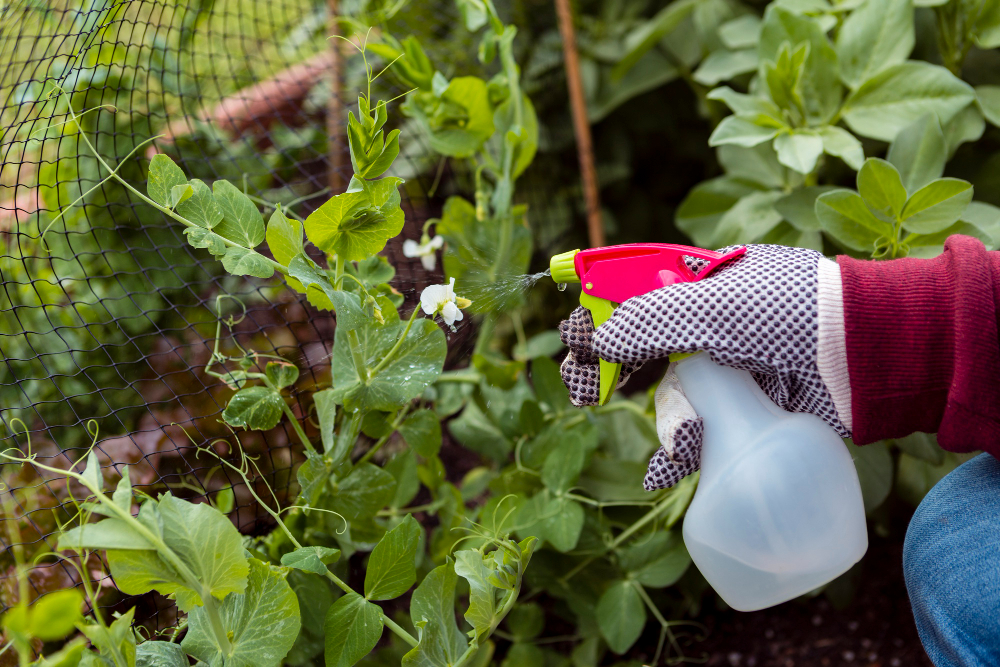
Top Organic Pest Control Tips for Thriving Gardens
Organic Gardening Pest Control is one of the most important skills every home gardener should learn—especially in the United States, where gardeners grow everything from backyard vegetables to herbs, flowers, and fruit trees. Pests are a natural part of gardening, but controlling them doesn’t mean reaching for harsh chemicals. With the right organic pest control methods, you can protect your plants, support beneficial insects, and maintain a healthy, sustainable garden.
This in-depth guide eco-friendly, and effective ways to manage garden pests organically. Whether you’re a beginner or an experienced organic gardener, this article will help you build long-term pest resistance in your garden.
What Is Organic Gardening Pest Control?
Organic gardening pest control focuses on preventing and managing pests using natural, non-toxic, and environmentally safe methods. Instead of killing every insect, organic pest management works with nature by encouraging balance within the garden ecosystem.
In organic gardening, the goal is not total pest elimination. A few pests are normal and even beneficial. The real objective is to prevent pest populations from reaching damaging levels while protecting soil health, pollinators, and nearby wildlife.
Key principles of organic pest control include:
- Prevention over treatment
- Using natural remedies instead of chemicals
- Supporting beneficial insects
- Improving soil and plant health
- Long-term sustainability

Why Organic Pest Control Matters for USA Gardeners
In the United States, many gardeners are shifting toward organic gardening due to growing concerns about food safety, environmental health, and pollinator protection. Chemical pesticides can contaminate soil, water, and air while harming bees, butterflies, birds, and even humans.
Organic gardening pest control offers several benefits:
Environmental Protection in Organic Gardening Pest Control
Eco-friendly garden pest control helps preserve native ecosystems. Organic methods reduce chemical runoff into local waterways and protect wildlife.
Healthier Food
Organic pest control ensures that vegetables, herbs, and fruits are free from harmful pesticide residues—especially important for families and homegrown produce.
Pollinator Safety
Pollinators like bees and butterflies are essential for food production. Pollinator-friendly pest control methods help maintain biodiversity.
Long-Term Garden Health
Healthy soil leads to stronger plants, and strong plants naturally resist pests better than weak, chemically dependent plants.
Understanding Common Garden Pests in Organic Gardening Pest Control
Before choosing an organic pest control method, it’s important to understand which pests commonly affect gardens in the USA.
Aphids
Aphids are small, soft-bodied insects that suck sap from plants. They often attack vegetables like lettuce, tomatoes, peppers, and herbs.
Caterpillars
Caterpillars chew holes in leaves and are common on cabbage, broccoli, kale, and other leafy greens.
Slugs and Snails
These pests thrive in moist environments and damage seedlings, lettuce, strawberries, and ornamental plants.
Spider Mites
Spider mites are tiny pests that cause yellowing leaves and fine webbing, especially in hot and dry conditions.
Beetles
Flea beetles, Japanese beetles, and cucumber beetles can quickly destroy leaves and crops.
Ants
Ants themselves may not damage plants directly, but they protect aphids and other pests in exchange for honeydew.
The Foundation of Organic Gardening Pest Control: Prevention
Prevention is the backbone of organic gardening pest control. Healthy gardens naturally resist pests better than stressed or poorly managed ones.
Healthy Soil Builds Pest Resistance in Organic Gardening Pest Control
Soil health plays a major role in pest management. Rich, well-balanced soil produces strong plants with natural resistance to insects and diseases.
Ways to improve soil health organically:
- Add compost regularly
- Use organic mulch
- Avoid synthetic fertilizers
- Practice crop rotation
Choosing Pest-Resistant Plants
Some plant varieties are naturally more resistant to pests. When possible, choose organic seeds and pest-resistant cultivars suited to your USDA growing zone.
Proper Spacing and Airflow
Overcrowded plants create humid conditions that attract pests. Proper spacing improves airflow and reduces pest and disease problems.
Natural Pest Control Methods for Organic Gardening Pest Control
There are many proven organic pest control methods that work effectively when used correctly.
Handpicking Pests
For small gardens, manually removing pests like caterpillars and beetles is surprisingly effective. Drop pests into soapy water to prevent their return.
Water Spray Method
A strong spray of water can knock aphids, spider mites, and whiteflies off plants without harming beneficial insects.
Row Covers
Floating row covers prevent pests from laying eggs on plants while still allowing sunlight and water to pass through.
Beneficial Insects: Nature’s Pest Control Team in Organic Gardening Pest Control
One of the most powerful organic pest control strategies is attracting beneficial insects.
Ladybugs
Ladybugs feed on aphids, mites, and scale insects.
Lacewings
Lacewing larvae consume aphids, thrips, and caterpillar eggs.
Parasitic Wasps
These tiny wasps lay eggs inside pest insects, controlling populations naturally.
To attract beneficial insects:
- Plant native flowers
- Grow herbs like dill, fennel, and cilantro
- Avoid chemical pesticides
Companion Planting for Organic Gardening Pest Control
Companion planting is a traditional organic gardening technique that helps repel pests naturally.
Popular Companion Planting Examples
- Basil with tomatoes to repel insects
- Marigolds to deter nematodes
- Garlic and onions to repel aphids
- Nasturtiums to trap pests away from vegetables
Companion planting improves biodiversity and reduces pest pressure without chemicals.
Homemade Organic Gardening Pest Control Sprays
DIY pest control sprays are affordable and effective when used correctly.
Neem Oil Pest Control
Neem oil is one of the most popular organic pest control solutions. It disrupts insect feeding and reproduction.
Garlic Spray
Garlic spray repels aphids, beetles, and caterpillars.
Soap Spray
Organic soap sprays break down insect cell membranes and work well against soft-bodied pests.
Always test sprays on a small area before full application.
Organic Pest Control for Vegetable Gardens
Vegetable gardens are especially vulnerable to pests. Organic pest control methods help protect crops without contaminating food.
Tomatoes
Use neem oil, companion planting, and hand removal for hornworms.
Leafy Greens
Row covers and beneficial insects are effective against caterpillars and aphids.
Root Vegetables
Healthy soil and crop rotation prevent underground pests.
Organic Pest Control for Herbs and Fruit Trees
Herbs and fruit trees benefit from gentle pest control methods.
Herbs
Most herbs repel pests naturally. Avoid overwatering and overcrowding.
Fruit Trees
Use sticky traps, beneficial insects, and proper pruning for airflow.
Integrated Pest Management in Organic Gardening
Integrated Pest Management is a structured approach that combines prevention, monitoring, and natural treatments.
Steps in organic IPM:
- Identify pests correctly
- Monitor pest levels
- Use cultural controls
- Apply biological controls
- Use organic sprays only when needed
Seasonal Organic Gardening Pest Control Tips
Spring
- Prepare soil
- Use row covers early
- Encourage beneficial insects
Summer
- Monitor pests weekly
- Use mulch to retain moisture
- Apply organic sprays carefully
Fall
- Remove plant debris
- Improve soil with compost
- Plan crop rotation
Common Mistakes in Organic Gardening Pest Control
- Expecting instant results
- Overusing organic sprays
- Ignoring soil health
- Killing beneficial insects
Organic pest control works best with patience and consistency.
Advanced Organic Gardening Pest Control Techniques
As organic gardeners gain experience, advanced pest control strategies become more effective. These methods focus on long-term balance rather than short-term fixes.
Trap Cropping in Organic Gardening Pest Control
Trap cropping involves planting sacrificial plants to attract pests away from your main crops. For example, mustard greens can attract aphids, protecting nearby vegetables. This organic pest control method works well in larger gardens across the USA.
Physical Barriers for Pest Prevention in Organic Gardening Pest Control
Using physical barriers is an excellent organic pest prevention technique.
Garden Netting
Fine mesh netting protects crops from birds, insects, and larger pests while allowing sunlight and airflow.
Copper Tape for Slugs
Copper tape creates a natural deterrent against slugs and snails without chemicals.
Organic Pest Control for Raised Bed Gardens
Raised bed gardening is popular in the United States, but pests can still be a challenge.
Soil Management in Raised Beds
Healthy soil reduces pest pressure. Use compost, worm castings, and organic matter to improve plant resilience.
Organic Gardening Pest Control in Small Spaces
Because raised beds are compact, regular inspection and early intervention are key to organic gardening pest control success.
Organic Pest Control for Container Gardening
Container gardening is common in urban areas and apartments.
Common Container Garden Pests
Aphids, spider mites, and fungus gnats are frequent problems in container gardens.
Solutions for Containers
- Neem oil spray
- Sticky traps for flying insects
- Proper drainage to prevent fungus gnats
Organic Gardening Pest Control for Lawns and Landscapes
Organic gardening pest control extends beyond vegetables.
Lawn Grubs and Organic Control
Beneficial nematodes are an effective organic solution for lawn grubs.
Ornamental Plant Pest Management
Healthy soil and pruning reduce pests in ornamental plants and shrubs.
Organic Gardening Pest Control Safety Tips
Even organic solutions should be used responsibly.
Proper Application Timing
Apply sprays early morning or evening to protect pollinators.
Storage and Handling of Organic Products
Store organic pest control products safely away from children and pets.
FAQs:
How to control pests in a garden organically?
Neem oil, spinosad, Bacillus thuringiensis, and pyrethrin.
What are the five methods of controlling pests?
Biological, chemical, physical/mechanical, cultural, and integrated pest management (IPM).
What is the best pest control strategy?
Sweeping, mopping and taking out the trash.
Final Thoughts: Organic Gardening Pest Control
Organic gardening pest control is the safest, healthiest, and most sustainable way to protect your garden. By focusing on prevention, soil health, beneficial insects, and natural remedies, USA gardeners can enjoy productive gardens without harmful chemicals.
With time and experience, organic pest control becomes second nature—creating gardens that are not only productive but also environmentally responsible and full of life.