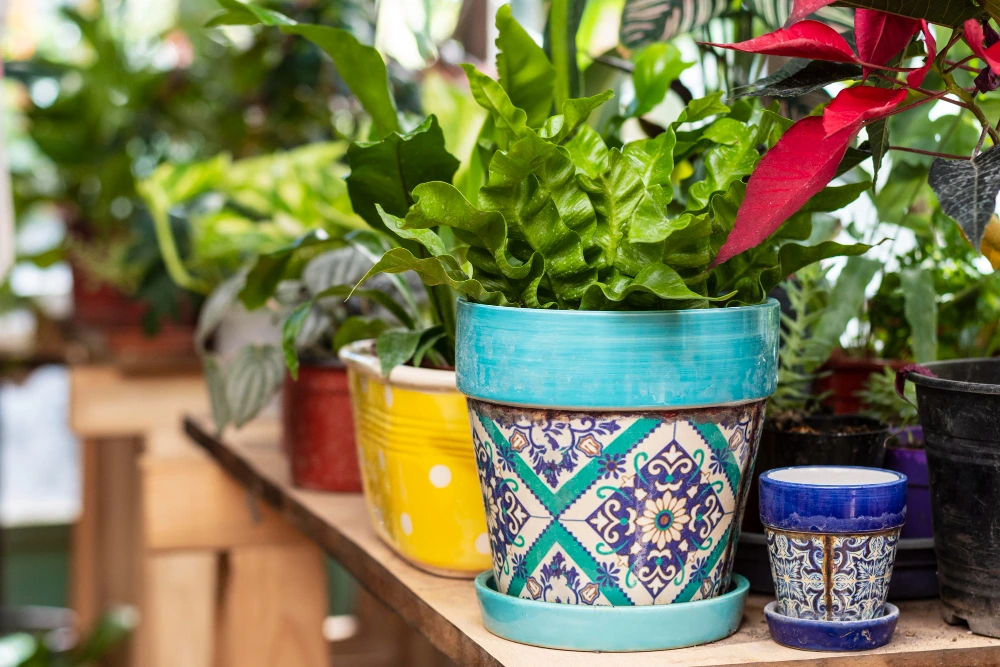
Thriving Outdoor Container Gardening: Tips for a Lush Green Space
Why Outdoor Container Gardening is a Game-Changer
Whether you’re working with a tiny apartment balcony in New York City or a sun-soaked patio in Austin, Texas — Outdoor Container Gardening gives every American the power to grow their own food, flowers, and herbs without needing a single inch of ground.
Container gardening has exploded in popularity across the United States, and for good reason. It’s flexible, beginner-friendly, and — when done the organic way — incredibly rewarding. You control the soil, the water, the sunlight exposure, and what goes into your plants. As a result, there are no synthetic chemicals and no mystery ingredients. Instead, you get just healthy, thriving plants grown naturally.
Key Benefits of Growing in Containers
- Total portability: Move your plants to chase sunlight, avoid harsh weather, or simply redecorate your space.
- Pest and weed control: Elevated containers naturally reduce exposure to ground-dwelling pests and weeds.
- Soil quality control: You fill the container with exactly the organic mix your plants need — no compromising with poor native soil.
- Space efficiency: Perfect for balconies, patios, decks, driveways, and tight urban spaces.
- Extended growing seasons: Bring containers indoors during frost, giving you a head start in spring and a longer harvest in fall.
- Accessibility: Raised containers are easier on your back and knees — a huge plus for gardeners of all ages.
Organic Advantage: Organic container gardening means using natural, non-toxic inputs — organic potting soil, compost, and natural fertilizers. This protects your family, local pollinators, and the surrounding ecosystem. It’s gardening the way nature intended.

Choosing the Right Container for Outdoor Gardening
The container you choose has a big impact on plant health, water retention, and overall aesthetics. Fortunately, there’s a wide range of options to suit every style, budget, and plant type.
Size Matters: Matching Container to Your Plants
Small Containers (6–12 inches)
Ideal for herbs like basil, cilantro, chives, and mint. Also great for lettuce, radishes, and strawberries. These fit perfectly on windowsills, railings, and small balconies.
Medium Containers (14–18 inches)
Perfect for peppers, bush beans, kale, and chard. A 14-inch pot can comfortably support one pepper plant or two to three lettuce heads.
Large Containers (20+ inches)
Necessary for tomatoes, zucchini, dwarf fruit trees, and large flowering shrubs. Bigger containers hold more soil, which means better moisture retention and more room for root development.
Pro Tip — Drainage is Non-Negotiable: Every outdoor container must have drainage holes. Waterlogged roots are the number one cause of plant death in container gardens. If your favorite decorative pot doesn’t have holes, drill them — or use it as a decorative sleeve around a plain nursery pot that does.
Self-Watering Containers: A Smart Choice for US Gardeners
If you travel frequently or live in a hot, dry US climate like Arizona or Nevada, self-watering containers are a brilliant investment. These planters have a built-in water reservoir at the base that wicks moisture upward as the soil dries — reducing watering frequency by up to 50% while keeping plants consistently hydrated.
Organic Soil and Growing Media for Outdoor Container Gardening
The soil inside your container is the foundation of your garden’s success. Unlike in-ground beds, container plants depend entirely on what you put inside the pot — so choosing the right organic potting mix is absolutely essential.
Why You Should Never Use Regular Garden Soil in Containers
Standard garden soil compacts quickly inside pots, cutting off oxygen to roots and blocking proper drainage. It also often carries weed seeds and soil-borne pathogens. Always use a high-quality potting mix formulated for containers — never fill your pots straight from the garden bed.
What to Look for in an Organic Potting Mix
- Compost: Provides natural nutrients and beneficial microbial activity.
- Perlite or pumice: Improves drainage and aeration without synthetic additives.
- Coco coir: A sustainable alternative to peat moss that retains moisture well.
- Worm castings: One of nature’s finest slow-releasing organic fertilizers built right into the mix.
- No synthetic fertilizers or chemical wetting agents.
Recommended Organic Potting Mix Brands in the USA
Look for OMRI Listed (Organic Materials Review Institute) certified potting mixes at your local garden center. For example, popular organic brands include Fox Farm Ocean Forest, Dr. Earth Pot of Gold, and Espoma Organic Potting Mix. Additionally, these are all widely available at Home Depot, Lowe’s, and independent garden centers across the country.
DIY Organic Potting Mix Recipe
Want to make your own? If so, here’s a simple organic blend that works beautifully for most outdoor container plants:
- 40% quality compost (home-made or store-bought organic)
- 30% coco coir (sustainably sourced)
- 20% perlite (for drainage)
- 10% worm castings (for slow-release nutrition)
Mix thoroughly before filling your containers. This blend is lightweight, moisture-retentive, and nutrient-rich — perfect for vegetables, herbs, and flowers alike.
Best Plants for Outdoor Container Gardening
One of the most exciting parts of outdoor container gardening is choosing what to grow. In fact, containers are incredibly versatile — you can grow vegetables, herbs, fruits, and flowers all on the same patio.
Best Vegetables for Outdoor Container Gardening
These vegetables are proven performers in containers across most US growing zones:
- Tomatoes: Choose compact varieties like ‘Patio’, ‘Bush Early Girl’, or ‘Tumbling Tom’. Need 5-gallon+ containers and full sun.
- Peppers: Both sweet and hot peppers thrive in 12–14 inch pots. They love heat — great for Southern US gardeners.
- Leafy Greens: Lettuce, spinach, kale, and arugula grow quickly in shallow containers. Perfect for cool spring and fall seasons.
- Cucumbers: Bush varieties grow well in large pots. Add a trellis to save space and improve air circulation.
- Green Beans: Bush bean varieties are ideal for containers. One 12-inch pot can yield a generous harvest all summer.
- Radishes & Carrots: Short-rooted carrot varieties like ‘Chantenay’ and all radishes do wonderfully in 8–10 inch deep pots.
Herbs in Outdoor Containers
Growing herbs in outdoor pots is one of the easiest and most rewarding container gardening projects. They’re low-maintenance, smell incredible, and go straight from pot to plate. Great choices include basil, rosemary, thyme, oregano, parsley, chives, lemon balm, and mint — though keep mint in its own container, as it spreads aggressively.
Flowers for Outdoor Planters
Adding flowering plants to your container garden isn’t just for looks — many flowers attract pollinators that help your vegetables thrive. Marigolds repel pests naturally, making them an organic gardener’s best friend. Other great choices include nasturtiums (also edible!), zinnias, petunias, lavender, and echinacea.
Dwarf Fruit Trees in Containers
Yes, you can grow fruit trees in pots! Dwarf fruit trees like Meyer lemon, dwarf apple, fig, and blueberry bushes thrive on US patios and decks. Use a 15–25 gallon container and repot every two to three years as roots develop. They make stunning focal points while delivering real harvests.
Watering and Irrigation for Outdoor Container Gardening
Watering is both the most important and the trickiest part of outdoor container gardening. Containers dry out much faster than in-ground beds, especially during hot US summers.
How Often Should You Water Outdoor Containers?
There’s no universal answer — it depends on your climate, container size, plant type, and time of year. A good general rule is to check soil moisture daily during summer and water when the top inch of soil feels dry to the touch. In peak summer heat in states like Texas, Florida, or California, some containers may need watering once or even twice per day.
Best Watering Methods for Outdoor Container Gardening
Hand Watering with a Watering Can or Hose
The simplest method — and a great way to stay connected with your garden. Water slowly and deeply until it drains freely from the bottom holes. Always water at the base of the plant, not the leaves, to prevent fungal issues.
Drip Irrigation for Container Gardens
A drip irrigation setup is one of the best investments a serious container gardener can make. Not only that, drip systems deliver consistent moisture directly to the root zone, reduce water waste, and free you from daily watering duties. For instance, systems from Rain Bird and Orbit are widely available at US hardware stores and easy to DIY.
Self-Watering Planters
Self-watering planters with built-in reservoirs are especially popular among busy US gardeners. Fill the reservoir every few days and let the planter do the work — particularly effective for tomatoes and herbs that need consistent soil moisture.
Water-Smart Tip: Add a layer of organic mulch (shredded leaves, straw, or wood chips) on top of your container soil. Even better, even a one-inch layer can reduce water evaporation by up to 30%, keeping roots cooler and reducing how often you need to water.
Organic Fertilizing: Feeding Your Container Garden Naturally
Container plants are heavy feeders. Because you water frequently, nutrients leach out of the potting mix faster than they would in the ground. Regular organic fertilizing keeps your plants productive and healthy throughout the growing season.
Best Organic Fertilizers for Outdoor Container Gardening
Slow-Release Organic Granular Fertilizers
Mix a slow-release organic granular fertilizer into your potting mix at planting time. For example, products like Espoma Garden-Tone or Dr. Earth All Purpose break down gradually, feeding your plants for months. As a result, they’re perfect for low-maintenance organic container gardening.
Liquid Organic Fertilizers
For a quick nutrient boost during the growing season, liquid organic fertilizers like fish emulsion, seaweed extract, or compost tea are excellent choices. Apply every two to three weeks during active growth. They’re fast-acting and gentle on organic soil biology.
Worm Castings Top-Dressing
Sprinkle a half-inch layer of worm castings on top of your container soil monthly. This gentle method adds nutrition while encouraging beneficial microorganisms — the invisible workforce behind healthy organic soil.
Signs Your Container Plants Need Feeding
Yellowing leaves, pale color, stunted growth, or reduced flowering are all signals that your plants may need a nutrient boost. With organic inputs, there’s minimal risk of over-fertilizing — but always follow product guidelines for best results.
Space and Location Ideas for Outdoor Container Gardening
One of the greatest joys of outdoor container gardening is how adaptable it is to any living situation. Whether you have a sprawling suburban deck or a tiny urban balcony, there’s a container setup that works for you.
Balcony Container Gardening
Urban apartment dwellers across US cities like New York City, Chicago, Los Angeles, and Seattle are discovering the joy of balcony container gardening. However, key considerations include weight limits (check with your building management), wind exposure, and sunlight duration. To address these factors, lightweight containers made from resin or fabric grow bags are smart choices. Additionally, vertical planters and wall-mounted pocket gardens maximize every square inch.
Patio & Deck Container Garden Ideas
A patio container garden offers the most flexibility. For instance, mix container sizes — large statement planters anchoring the corners, medium pots grouped for visual interest, and small herb planters clustered near the kitchen door for easy access. Meanwhile, combine trailing plants (petunias, sweet potato vine), upright plants (tomatoes on trellises), and low spreading plants (thyme, strawberries) for a layered, lush look.
Front Porch Planter Ideas
Your front porch is prime real estate for container gardening. For example, a pair of large wooden planter boxes flanking the entrance creates a welcoming arrival. Then, fill them with seasonal color — tulips and pansies in spring, geraniums and coleus in summer, ornamental kale and mums in fall.
Vertical Container Gardening
When horizontal space is limited, go vertical. Tiered plant stands, wall-mounted pocket planters, stacked pallet gardens, and trellis systems let you grow significantly more in the same footprint. Vertical gardening is especially effective for small-space container gardens in urban US environments.
Seasonal Care Calendar for US Outdoor Container Gardening
Outdoor container gardens in the United States experience the full swing of four seasons — and your care routine should shift accordingly.
Spring
Refresh potting mix in existing containers. Start cool-season crops like lettuce, peas, and spinach. Repot any root-bound plants that have outgrown their containers. Begin hardening off seedlings started indoors before moving them outside full-time.
Summer
Water daily — sometimes twice in extreme heat. In addition, feed every two to three weeks with liquid organic fertilizer. Next, deadhead spent flowers to encourage continuous blooming. At the same time, inspect plants regularly for pests. Finally, add a layer of mulch to conserve moisture.
Fall
Plant cool-season crops for a fall harvest. Begin bringing frost-tender plants indoors before the first hard freeze. Cut back perennials. Apply a compost top-dressing to replenish nutrients depleted over the summer.
Winter
Protect containers from freeze damage by wrapping clay pots in burlap or moving them to a sheltered spot. Additionally, grow cold-hardy greens like kale and chard in mild US climates (zones 7 and above). Meanwhile, use the quieter season to plan next year’s container garden.
Overwintering Outdoor Container Plants
Overwintering potted plants is a skill that dramatically expands what you can grow. In USDA zones 7 and above — covering much of the Southern and Pacific Coast US — many perennials, dwarf fruit trees, and evergreen herbs like rosemary can remain outdoors year-round with minimal protection. In colder zones (1–6), bring tender plants into a garage, sunroom, or basement before the first hard frost.
Beginner Tips and Common Outdoor Container Gardening Mistakes
Starting a container garden is genuinely one of the most approachable forms of gardening — but a few common pitfalls can derail even enthusiastic new growers. Here’s what to watch out for.
The 7 Most Common Outdoor Container Gardening Mistakes
1. Containers Without Drainage Holes
Sitting water causes root rot, one of the fastest ways to kill an otherwise healthy plant. Drainage is non-negotiable.
2. Using Garden Soil Instead of Potting Mix
Garden soil compacts in pots, suffocating roots. Always use a quality organic potting mix formulated specifically for containers.
3. Inconsistent Watering
Containers dry out fast. Inconsistent watering — especially for tomatoes and peppers — leads to issues like blossom end rot. Check soil moisture daily in summer.
4. Containers That Are Too Small
Cramped roots mean stressed, underperforming plants. When in doubt, size up. Larger containers are also more forgiving with watering frequency.
5. Neglecting to Feed Container Plants
Nutrients flush out with every watering. Without regular organic feeding, container plants run out of fuel. Establish a fertilizing routine from day one.
6. Ignoring Sunlight Requirements
Before choosing what to grow, observe how many hours of direct sunlight your space receives. Most vegetables need 6–8 hours of full sun daily. However, shade-tolerant plants like lettuce, mint, and ferns are better choices for shadier spots.
7. Overcrowding Containers
It’s tempting to pack a pot full for an instant lush look — but overcrowding leads to competition for nutrients, poor air circulation, and higher disease pressure. Give each plant the space it needs.
Start Simple: If you’re brand new to container gardening, begin with just three to five containers growing easy, fast-rewarding crops — cherry tomatoes, basil, lettuce, marigolds, and radishes. Master these first, then expand from a foundation of confidence and real success.

FAQs:
What are common mistakes in container gardening?
Starting with Containers That Are Too Small.
How do you start a container garden for beginners?
Choosing pots with drainage holes, using high-quality potting mix (not garden soil), and selecting plants suited to your sunlight conditions.
What grows best in a container garden?
Herbs (basil, rosemary, mint), leafy greens (lettuce, spinach), tomatoes, peppers, strawberries, and flowers like petunias, marigolds, and coleus.
Final Thoughts: Your Organic Container Garden Starts Today
Outdoor container gardening is one of the most accessible, rewarding, and genuinely joyful ways to grow your own food and beautify your living space — no matter where you live in the United States. Whether you’re on a rooftop in Denver, a condo balcony in Miami, or a front porch in rural Tennessee, a container garden brings nature, nourishment, and a sense of accomplishment right to your doorstep.
By choosing organic methods — quality potting mix, natural fertilizers, and chemical-free pest management — you’re not just growing plants. In fact, you’re nurturing a healthier home environment, supporting local pollinators, and ultimately investing in a more sustainable way of living.