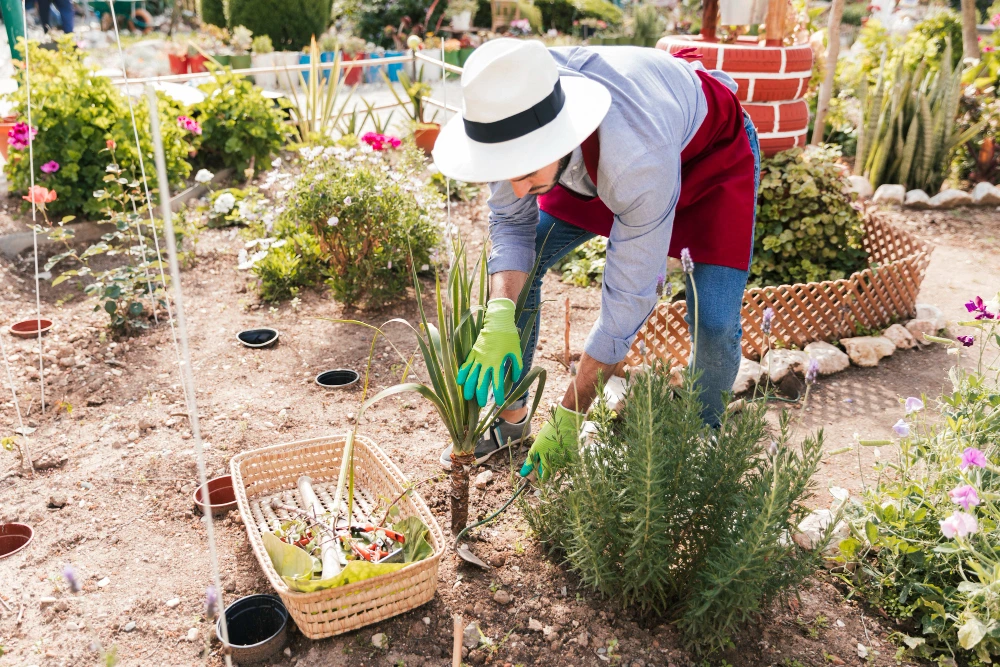
Essential Tips for Thriving Outdoor Gardening Success
Introduction:
There’s something deeply satisfying about stepping into your backyard, getting your hands in the soil, and growing your own food or flowers. Outdoor gardening in the USA has seen a massive rise in popularity — and for good reason. Whether you’re a homeowner in Texas with wide open yard space or an apartment dweller in Chicago with a small patio, outdoor gardening gives you a direct connection to nature, fresher food on your table, and a healthier lifestyle overall.
But here’s the thing — not all gardening is created equal. More and more American gardeners are turning to organic outdoor gardening as a way to grow cleaner, chemical-free produce while also protecting the environment. In this guide, we’ll walk you through everything you need to know — from soil prep and planting to organic pest control and seasonal care — all tailored specifically for gardeners across the United States.
What Is Organic Outdoor Gardening?
Organic outdoor gardening means growing plants — whether vegetables, herbs, fruits, or flowers — without the use of synthetic fertilizers, chemical pesticides, or genetically modified organisms (GMOs). Instead, it relies on natural processes, healthy soil biology, and sustainable gardening practices.
In simple terms, organic gardening works with nature rather than against it.
Why Choose Organic Outdoor Gardening?
For example, here’s why thousands of American gardeners are making the switch to organic methods:
- Healthier produce — No chemical residues on your fruits and vegetables
- Better soil health — Organic matter builds long-term soil fertility
- Safer for kids and pets — No toxic sprays or synthetic chemicals in your yard
- Environmentally friendly — Protects local pollinators like bees and butterflies
- Cost-effective — Composting and natural fertilizers reduce spending over time

Getting Started with Outdoor Gardening — Planning Your Garden Space
Before you plant a single seed, planning is everything. In fact, a well-thought-out garden layout saves you time, money, and frustration down the road.
Choosing the Right Location
The first step in any successful outdoor gardening journey is picking the right spot. Most vegetables and flowering plants need at least 6 to 8 hours of direct sunlight per day. To begin with, walk around your yard at different times of day and observe where the sun hits most consistently.
Key factors to consider when choosing your garden location:
- Sunlight: Full sun areas (6–8+ hours) are ideal for tomatoes, peppers, squash, and most vegetables
- Water access: Make sure you’re close to a water source or can run a hose easily
- Wind protection: Strong winds can damage plants — a fence or hedge nearby can help
- Drainage: Avoid low-lying areas where water pools after rain
Raised Bed Gardening vs. In-Ground Gardening
For instance, two of the most popular outdoor gardening methods in the USA are raised bed gardening and traditional in-ground planting. Both, however, have their advantages.
Raised Bed Gardening is perfect for beginners and urban gardeners. You fill the beds with high-quality organic soil mix, which means fewer weeds, better drainage, and easier access. Raised beds also warm up faster in spring, giving you a head start on the growing season — especially useful in northern states like Minnesota, Michigan, or Wisconsin.
In-Ground Gardening works well if you already have good native soil or are gardening on a larger property. It’s less expensive to set up but may require more soil amendment work initially.
Building Healthy Organic Garden Soil
As a matter of fact, ask any experienced gardener and they’ll tell you the same thing — healthy soil is the foundation of a thriving garden. In fact, in organic gardening, soil health is everything.
Understanding Your Soil Type
Across the USA, soil types vary dramatically. Gardeners in the Southeast often deal with heavy clay soil, while those in the Southwest face sandy, dry soil. The Midwest tends to have rich loam, and the Pacific Northwest often has slightly acidic soil.
The best way to understand your garden soil is to get a soil test. You can buy a home soil test kit at most garden centers or send a sample to your local cooperative extension office (many offer this service for free or at low cost). A soil test tells you:
- Soil pH (ideal range for most vegetables: 6.0–7.0)
- Nutrient levels (nitrogen, phosphorus, potassium)
- Organic matter content
How to Improve Soil Organically
Once you understand what your soil needs, you can improve it naturally. For example, here are the most effective organic soil amendments used by American gardeners:
Compost is the gold standard of organic gardening. Made from kitchen scraps (vegetable peels, coffee grounds, eggshells) and yard waste (leaves, grass clippings), compost adds rich organic matter that feeds beneficial soil microbes and improves both drainage and water retention.
Aged Manure from chickens, cows, or horses is an excellent natural fertilizer. Make sure it’s well-composted before adding it to your garden to avoid burning plants.
Worm Castings are nature’s perfect fertilizer — nutrient-dense, gentle, and teeming with beneficial microorganisms that support root health.
Mulch (straw, wood chips, shredded leaves) placed on top of the soil reduces water evaporation, suppresses weeds, and slowly breaks down to feed your soil over time.
Composting at Home — The Heart of Organic Gardening
For example, composting is one of the simplest and most rewarding practices in organic outdoor gardening. As a result, it turns kitchen and yard waste into “black gold” — rich, crumbly compost that supercharges your garden beds.
How to Start a Compost Pile
Starting a compost pile is easier than most people think. Here’s a simple approach:
- Choose a spot — A shaded corner of your yard works great. You can use a compost bin or just create an open pile
- Layer your materials — Alternate between “green” materials (fruit scraps, vegetable peels, fresh grass clippings) and “brown” materials (dried leaves, cardboard, straw)
- Keep it moist — Your compost pile should feel like a damp sponge
- Turn it regularly — Turning the pile every 1–2 weeks introduces oxygen and speeds up decomposition
- Harvest your compost — After 2–6 months, your compost will be dark, crumbly, and earthy-smelling — ready to use!
What to Plant — Best Vegetables and Herbs for US Outdoor Gardening
One of the most exciting parts of outdoor gardening, of course, is deciding what to grow. However, the best plants for your garden depend on your region, climate, and USDA Hardiness Zone.
Best Vegetables for American Home Gardens
Here are some of the top performers in US outdoor vegetable gardens:
- Tomatoes — America’s favorite garden vegetable, perfect for most US climates
- Zucchini & Summer Squash — Incredibly productive and easy to grow
- Green Beans — Great for beginners, very low maintenance
- Lettuce & Salad Greens — Fast-growing, ideal for spring and fall gardens
- Cucumbers — Love warm weather; perfect for Southern and Midwestern gardens
- Peppers (Bell & Hot) — Thrive in warm, sunny climates like the South and Southwest
- Kale & Swiss Chard — Cold-hardy greens perfect for Northern states
Best Herbs for Outdoor Organic Gardening
Fresh herbs are easy to grow organically and incredibly useful in the kitchen:
- Basil — Loves warmth; plant after last frost
- Rosemary — Drought-tolerant and thrives in USDA zones 7–10
- Mint — Extremely hardy; grow in containers to prevent spreading
- Cilantro — Prefers cooler temperatures; great for spring and fall planting
- Chives — Perennial in most US zones, low-maintenance and pest-resistant
Seasonal Planting Guide for US Outdoor Gardening
In outdoor gardening, timing is critical. After all, planting at the right time in the right season can mean the difference between a thriving garden and a struggling one.
Spring Gardening (March–May)
Spring is the most exciting season for US gardeners. As soil temperatures warm up, it’s time to:
- Start seeds indoors 6–8 weeks before your last frost date
- Direct-sow cool-season crops like lettuce, spinach, peas, and carrots
- Transplant seedlings of tomatoes, peppers, and squash after the last frost
- Add fresh compost to garden beds and turn the soil
Summer Gardening (June–August)
Summer is all about maintenance and harvest. Key tasks include:
- Watering deeply — Most vegetables need 1–2 inches of water per week; water at the base of plants in the morning
- Mulching heavily — Keeps soil cool and moist during hot summer days
- Succession planting — Sow fast-growing crops like beans and radishes every 2–3 weeks for continuous harvests
- Harvesting regularly — Pick produce at peak ripeness to encourage plants to keep producing
Fall Gardening (September–November)
Fall is often overlooked, but it’s a fantastic season for outdoor gardening across most of the USA:
- Plant cool-season crops like broccoli, kale, garlic, and Brussels sprouts
- Start a fall compost pile with fallen leaves
- Plant spring-flowering bulbs like tulips and daffodils
- Clean up garden beds and cover with a thick layer of mulch to protect soil over winter
Winter Gardening (December–February)
In USDA zones 7 and above (the South, Southwest, Pacific Coast), winter gardening is very much possible:
- Grow cold-hardy greens like spinach, kale, and arugula under row covers
- Plan next year’s garden layout and order seeds from catalogs
- Build or repair raised beds during downtime
- Continue composting — even in cold temperatures, decomposition continues slowly
Organic Pest Control — Protecting Your Garden Naturally
Understandably, one of the biggest concerns for new organic gardeners is how to deal with pests without reaching for chemical sprays. Fortunately, the good news is, there are plenty of highly effective natural pest control methods used by experienced organic gardeners all across the USA.
Companion Planting
For example, companion planting is the practice of growing certain plants near each other for mutual benefit. Indeed, it’s one of the oldest and most effective techniques in organic gardening.
Some classic companion planting combinations include:
- Tomatoes + Basil — Basil is believed to repel aphids and whiteflies while improving tomato flavor
- Three Sisters (Corn + Beans + Squash) — A traditional Native American planting method where each plant supports the others
- Marigolds + Vegetables — Marigolds repel nematodes and many common garden pests
- Carrots + Onions — Onions deter carrot flies; carrots deter onion flies
Natural Pest Remedies
When pests do appear, these organic solutions work effectively without harming your soil or beneficial insects:
- Neem oil spray — Highly effective against aphids, spider mites, and whiteflies
- Diatomaceous earth — Sprinkle around plant bases to deter slugs, beetles, and crawling pests
- Insecticidal soap — A gentle, non-toxic spray for soft-bodied insects
- Hand-picking — For larger pests like hornworms and beetles, simply pick them off by hand
- Row covers — Lightweight fabric barriers that physically block insects from reaching plants
Attracting Beneficial Insects
Not all insects are bad for your garden. In fact, many are your best allies. Attracting beneficial insects is one of the smartest moves in organic outdoor gardening:
- Ladybugs devour aphids by the hundreds
- Lacewings feed on mites, whiteflies, and thrips
- Ground beetles patrol the soil and eat slugs and caterpillars
- Bees and butterflies pollinate your crops and flowers
Plant native wildflowers, lavender, dill, and fennel to attract these helpful garden visitors.
Watering Your Outdoor Gardening the Right Way
Water is life — but how and when you water matters just as much as how much you water.
Best Watering Practices for Organic Outdoor Gardening
- Water deeply and infrequently — Deep watering encourages roots to grow down into the soil rather than staying near the surface
- Water in the morning — Morning watering reduces evaporation and allows foliage to dry before nightfall, reducing disease risk
- Use drip irrigation or soaker hoses — These deliver water directly to the root zone, reducing waste and keeping foliage dry
- Collect rainwater — Installing a rain barrel is an eco-friendly way to capture and store natural rainfall for garden use

Top Tips for Organic Outdoor Gardening Success in the USA
In conclusion, to wrap things up, here are some of the most valuable tips that experienced American organic gardeners swear by:
- Start small — A 4×8 foot raised bed is a perfect starting point for beginners
- Know your USDA Hardiness Zone — This determines which plants thrive in your area and when to plant them
- Feed your soil, not just your plants — Healthy soil biology does most of the work for you
- Rotate your crops — Never plant the same family of vegetables in the same spot two years in a row; this prevents disease and soil depletion
- Keep a garden journal — Track what you plant, when you plant it, and how it performs; this is invaluable for improving year after year
- Be patient — Organic gardening is a long game; your garden gets better and more productive with each passing season
Conclusion: Start Your Organic Outdoor Garden Today
Outdoor gardening — especially when done organically — is one of the most fulfilling hobbies and lifestyle choices you can make as an American homeowner. In addition, it connects you with the seasons, feeds your family with clean, wholesome food, and transforms your yard into a thriving, living ecosystem.
Whether you’re starting with a few raised beds in your suburban backyard or converting your entire yard into a productive organic garden, the journey starts with a single step — getting your hands in the soil.