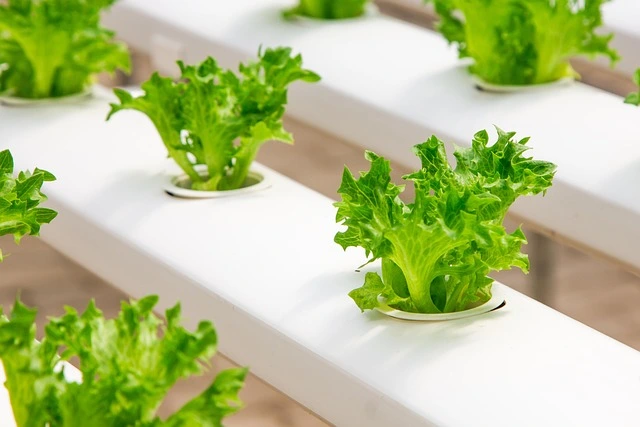
Master Hydroponic Gardening Indoor: Tips for Thriving Plants
Imagine walking into your kitchen, plucking a handful of crisp lettuce leaves, fragrant basil, or sun-bright cherry tomatoes — all grown right inside your home, without a single handful of soil. That’s exactly what hydroponic gardening indoor systems make possible for everyday Americans, whether you live in a Manhattan apartment, a suburban home in Texas, or a farmhouse in rural Vermont.
Indoor hydroponic gardening is no longer a futuristic concept reserved for scientists or commercial farmers. Today, it’s one of the fastest-growing home gardening trends across the United States, and for good reason. It’s clean, efficient, organic-friendly, and lets you grow fresh vegetables and herbs year-round — rain, snow, or scorching summer heat outside be damned.
In this comprehensive guide, we’ll walk you through everything you need to know about setting up your own indoor hydroponic garden — starting with how the system works, then moving on to choosing the best plants, nutrients, and grow lights.
What Is Hydroponic Gardening Indoor and How Does It Work?
At its core, hydroponic gardening is the practice of growing plants without soil. Instead, plant roots are suspended in or periodically flooded with a nutrient-rich water solution that delivers everything a plant needs to thrive — nitrogen, phosphorus, potassium, calcium, magnesium, and trace minerals.
In a traditional outdoor garden, plants spend a tremendous amount of energy pushing roots through soil to hunt down water and nutrients. Indoor hydroponic systems eliminate that struggle. Nutrients come directly to the roots, so plants redirect that energy into producing bigger leaves, faster growth, and higher yields — often 30–50% more than soil gardening, in the same amount of time.
The growing medium in a hydroponic setup isn’t soil — it might be clay pebbles, rockwool, coco coir, perlite, or even just air (as in aeroponic systems). These inert materials anchor the plant while allowing roots to access oxygen and nutrient solution freely.
Why Indoor? The American Case for Growing Indoors Year-Round
Most of the United States experiences seasonal extremes that make outdoor gardening a challenge. Harsh winters in the Midwest, extreme heat in the Southwest, and unpredictable frosts across the South make it tough to grow consistently. That’s where indoor hydroponic systems shine — they let you create a perfectly controlled environment regardless of what’s happening outside your window.
Urban Americans — particularly in cities like New York, Chicago, Los Angeles, and Houston — are also embracing indoor hydroponic gardens as a way to reconnect with food production in small spaces. You don’t need a backyard. A countertop, a spare corner, or a closet is enough to grow a meaningful supply of fresh greens and herbs.

Top Benefits of Hydroponic Gardening Indoor for Organic Growers
If you’re passionate about organic gardening, you’ll find hydroponic systems to be a natural extension of those values.
1. No Pesticides, No Soil-Borne Diseases
One of the biggest organic gardening wins with hydroponics is the dramatic reduction in pests and disease. Because your plants are indoors and grown without soil, you eliminate a huge range of common soil-borne threats like root rot fungi, nematodes, and ground-dwelling insects. This means you can grow truly clean, organic produce without the need for chemical pesticide sprays.
2. Remarkable Water Efficiency — Up to 90% Less Water
Traditional gardening loses enormous amounts of water to evaporation and runoff. A well-designed indoor hydroponic garden recirculates water through the system, using up to 90% less water than conventional soil gardening. For environmentally conscious American growers facing drought conditions — particularly in the West and Southwest — this is a game-changer.
3. Faster Plant Growth and Higher Yields
Because nutrients are delivered directly to plant roots and conditions are fully optimized, hydroponic plants typically grow 30–50% faster than their soil-grown counterparts. Lettuce that takes 60 days in soil might be harvest-ready in 30–35 days indoors under LED grow lights with a hydroponic nutrient solution.
4. Year-Round Fresh Produce — No Seasonal Limitations
Year-round indoor growing is perhaps the most compelling benefit for American families trying to eat fresh on a budget. While store-bought produce prices spike during off-seasons, your indoor hydroponic herbs and vegetables keep producing consistently, month after month.
Popular Types of Indoor Hydroponic Systems for Home Growers
As a beginner, understanding the different types will help you pick the best indoor hydroponic garden kit for your space, budget, and goals.
Deep Water Culture (DWC) — Best for Beginners
In a Deep Water Culture system, plant roots hang directly into a reservoir of oxygenated, nutrient-rich water. An air pump and air stones keep the water oxygenated, similar to a fish tank. DWC is widely considered one of the simplest and most affordable hydroponic systems to build or buy, making it perfect for beginners. It works especially well for growing lettuce, spinach, and herbs indoors.
Nutrient Film Technique (NFT) — Space-Efficient and Scalable
NFT systems pump a thin, continuous film of nutrient solution along sloped channels where plant roots dangle. As a result, the roots absorb nutrients as the film flows past. Because of this efficient design, NFT systems are popular for growing herbs and leafy greens and are a favorite choice for vertical indoor hydroponic setups, especially when space efficiency matters.
The Kratky Method — Truly Hands-Off Hydroponics
If you’re looking for the simplest possible introduction to soilless plant growing indoors, the Kratky method is for you. It’s a passive, no-pump, no-electricity system where plants sit in net pots above a reservoir. As the plant drinks the water, an air gap forms above the solution, which in turn allows the roots to breathe. With this simple setup, you literally just fill the reservoir, plant your seeds, and let nature take over.
Ebb and Flow (Flood and Drain) — Versatile for Many Plant Types
Ebb and flow systems periodically flood a growing tray with nutrient solution, then drain it back into a reservoir. This cycle mimics natural rainfall patterns and works well for a wide variety of plants — from herbs to tomatoes to peppers. It’s a great option for home growers who want flexibility in what they grow.
Best Plants to Grow in Your Hydroponic Gardening Indoor
Here are the top choices for American home growers:
Hydroponic Herbs Indoors — The 1 Starting Point
If you’re new to hydroponic gardening, starting with herbs is the smartest move. They’re fast-growing, compact, and incredibly rewarding.
- Basil — grows fast and is hugely productive indoors with good light
- Mint — almost impossible to fail with; great in the Kratky method
- Cilantro — perfect for households that cook Mexican or Asian food
- Parsley — slow to start but produces abundantly once established
- Chives — low-maintenance and ideal for small countertop systems
- Thyme and oregano — excellent for Mediterranean cooking and drought-tolerant
Hydroponic Lettuce and Leafy Greens — Fast and Productive
Lettuce is often called the “perfect hydroponic plant” because it grows so fast, has shallow roots, and thrives in almost any system. Hydroponic lettuce at home typically reaches harvest size in just 3–5 weeks. Other excellent leafy greens for indoor systems include spinach, arugula, kale, Swiss chard, and bok choy.
Hydroponic Indoor Vegetables — Tomatoes, Peppers, and More
More experienced growers can venture into fruiting vegetables like cherry tomatoes, sweet peppers, cucumbers, and even hydroponic strawberries indoors. These plants need more space, stronger LED grow lights, and more careful attention to nutrient levels — but the reward of picking fresh tomatoes in January makes it absolutely worth it.
Choosing the Right Grow Lights for Hydroponic Gardening Indoor
Choosing the right grow lights for hydroponics is one of the most important decisions you’ll make as an indoor grower.
LED Grow Lights — The Gold Standard for Home Growers
LED grow lights for hydroponics have revolutionized indoor gardening. Modern full-spectrum LED panels are energy-efficient, produce minimal heat, last 50,000+ hours, and deliver the exact light spectrum plants need for both vegetative growth and fruiting. For most American home growers, a quality LED grow light is the best long-term investment you’ll make in your indoor garden.
Understanding Light Cycles for Hydroponic Plants
Most leafy greens and herbs do best with 14–16 hours of light per day. Fruiting plants like tomatoes need closer to 16–18 hours during the vegetative stage, then 12 hours to trigger flowering. A simple outlet timer — available at any US hardware store for around $10 — makes managing light cycles effortless.
Organic Hydroponic Nutrients — Growing Clean Food Without Compromise
One of the most common questions from organic gardeners is: “Can hydroponics truly be organic?” The short answer is yes — and the organic hydroponic movement in the US is growing rapidly.
Traditionally, hydroponic nutrient solutions have used synthetic, mineral-based fertilizers. But today, there’s a thriving market for certified organic hydroponic nutrients made from ingredients like fish emulsion, seaweed extract, worm castings tea, and compost extracts. Brands like General Organics, Neptune’s Harvest, and Roots Organics offer complete organic nutrient lines that work beautifully in hydroponic systems.
Managing pH for Optimal Nutrient Absorption
Whether you’re using organic or conventional nutrients, pH management is critical in any hydroponic system. Most plants absorb nutrients best when the solution pH stays between 5.5 and 6.5. A basic pH meter (available online for $15–$30) and pH Up/Down solutions are essential tools for any indoor hydroponic grower. Check your pH every 2–3 days, especially when starting out.
How to Start Your Hydroponic Gardening Indoor: A Step-by-Step Beginner’s Guide
So, are you ready to get your hands — and roots — wet? If so, here’s a straightforward roadmap to launching your first indoor hydroponic garden:
Step 1: Choose Your System
For beginners, it’s best to start with a simple Deep Water Culture bucket system or a countertop hydroponic garden kit like those from AeroGarden or Lettuce Grow. Because they’re designed for ease of use, these all-in-one systems come with everything you need and are virtually foolproof.
Step 2: Select Your Location
To begin with, find a space with access to an electrical outlet and, ideally, good ventilation. A kitchen counter, spare bedroom, closet, or basement can all work well. In addition, aim for a space that stays between 65°F and 80°F — since this range is the sweet spot for most hydroponic plants.
Step 3: Set Up Your Grow Lights
Install your LED grow lights 12–24 inches above the plant canopy, depending on the light’s intensity. Set a timer for 14–16 hours of light per day for herbs and leafy greens.
Step 4: Prepare Your Nutrient Solution
Mix your hydroponic nutrient solution according to the product’s directions. Fill your reservoir, check and adjust pH to 5.8–6.2, then check the EC (electrical conductivity) to ensure proper nutrient concentration.
Step 5: Plant Your Seeds or Seedlings
Start seeds in rockwool cubes or rapid rooter plugs. Once roots are visible (usually 5–10 days), transfer to your hydroponic system. Alternatively, purchase seedlings from a local nursery.
Step 6: Monitor and Maintain
To keep your system running smoothly, check water levels every 2–3 days and test the pH just as often. In addition, top off or replace the nutrient solution every 1–2 weeks. At the same time, watch for any signs of nutrient deficiency, such as yellowing leaves, or indications of a pH imbalance.
Step 7: Harvest and Enjoy
As your plants mature, harvest the outer leaves of lettuce and herbs using the “cut and come again” method to keep them productive for months. This way, you encourage continuous growth while avoiding stress on the plant. Finally, enjoy your homegrown, organic, fresh produce!
Common Beginner Mistakes in Hydroponic Gardening Indoor
Every beginner makes a few missteps — and that’s okay. Here are the most common ones to watch out for:
- Ignoring pH: This single issue causes the majority of plant problems in hydroponics. Invest in a good pH meter from the start.
- Overfeeding nutrients: More is not better. Follow the recommended dilution rates on your organic nutrient solution, especially when plants are young.
- Insufficient light: Don’t underestimate how much light your plants need. If your greens are leggy and pale, they’re not getting enough light.
- Poor air circulation: Stale air encourages mold and weakens plant stems. A small USB fan pointed at your plants makes a big difference.
- Choosing the wrong starter plants: Begin with fast-growing, forgiving plants like lettuce, basil, and mint before attempting tomatoes or peppers.
How Much Does an Indoor Hydroponic Garden Cost in the USA?
One of the most practical questions for American home growers is cost. Here’s a realistic breakdown:
- Budget beginner setup (Kratky method, 2–4 plants): $20–$50 total including container, net pots, nutrients, and seeds
- Mid-range countertop system (AeroGarden-style): $80–$150 for the unit, plus ~$30/year for seed pods and nutrients
- DIY DWC system (5-gallon bucket, pump, LED light): $60–$120 one-time setup, low ongoing costs
- Full vertical hydroponic garden indoor system: $200–$600+, ideal for those who want to grow most of their own greens
- Monthly electricity cost: Most small LED setups add only $5–$15/month to your electric bill
When you factor in the cost of fresh herbs and greens at the grocery store (fresh basil alone runs $3–$5 per bunch at most US supermarkets), most hydroponic setups pay for themselves within 2–4 months of regular harvesting.
FAQs:
Can hydroponics be grown indoors?
You can set up a hydroponic garden virtually anywhere indoors.
Is indoor hydroponic garden worth it?
Growing your produce is not only healthier, it’s cost-effective, efficient, and convenient.
What is the best water for hydroponics indoors?
Distilled water.
Final Thoughts: Is Indoor Hydroponic Gardening Right for You?
Indoor hydroponic gardening is one of the most exciting, rewarding, and practical ways to grow your own food — no matter where you live in the United States, what season it is, or how much outdoor space you have. It aligns beautifully with organic gardening values: clean growing practices, minimal chemical inputs, deep respect for water resources, and a commitment to knowing exactly what’s on your plate.
Whether you start with a $25 Kratky jar of basil on your kitchen windowsill or invest in a full vertical garden system for your apartment, the process of watching plants grow in water — without a speck of soil — never gets old.
The best indoor hydroponic garden is the one you actually start. So pick a system, grab some seeds, mix up your first batch of organic nutrient solution, and grow something amazing.