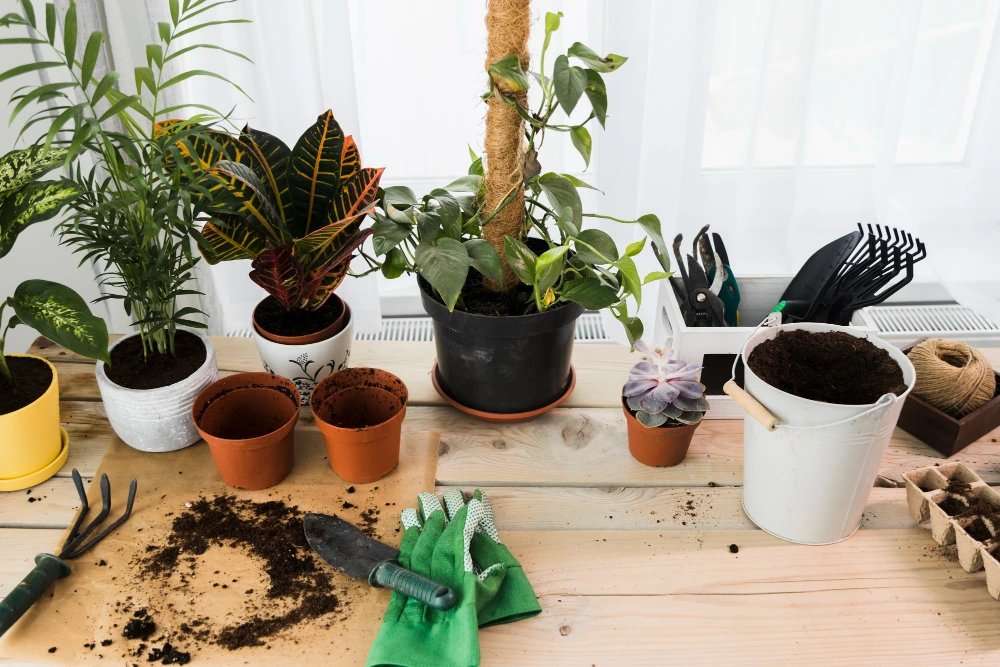
Essential Indoor Gardening Tools for Thriving Houseplants
If you’ve ever dreamed of growing fresh herbs, vegetables, or beautiful houseplants right inside your home, you’re not alone. Indoor gardening has exploded in popularity across the USA, and for good reason — it’s rewarding, sustainable, and surprisingly easy once you have the right indoor gardening tools in your hands. Whether you’re a complete beginner or someone who’s already got a few pots on the windowsill, this guide will walk you through everything you need to know about choosing the best tools for your indoor organic garden.
Why Indoor Gardening Is Growing Across the USA
More Americans are turning to indoor gardening to eat healthier and reduce grocery bills. Many people also enjoy staying connected with nature without leaving home. From small apartments in New York City to suburban homes in Texas, indoor gardening is growing in popularity. You do not need a large backyard to grow fresh food. A few pots, proper lighting, and the right indoor gardening tools are enough to create a green and peaceful space inside your home.
But here’s the thing — success in indoor gardening doesn’t just come from choosing the right plants. It starts with having the right indoor gardening tools that make the whole process easier, more efficient, and more enjoyable.

Must-Have Indoor Gardening Tools for Beginners
1. Soil Moisture Meter
One of the most common mistakes new indoor gardeners make is overwatering their plants. A soil moisture meter takes all the guesswork out of watering. Simply insert the probe into the soil and it tells you whether your plant needs water or not. This affordable tool can protect your plants from overwatering and root damage. It helps you check soil moisture quickly and accurately. It is especially useful for succulents, herbs, and indoor vegetables with specific watering needs.
When choosing a soil moisture meter for your organic indoor garden, select a model that measures moisture accurately. Choose one that also checks soil pH levels. A meter that tracks light intensity is even better. This three-in-one tool helps you monitor the basic needs of your indoor plants.
2. Indoor Watering Can with Long Spout
A good watering can is more than just a container for water. For indoor plants, choose a watering can with a long and narrow spout for better control. A slim spout allows you to direct water exactly where it is needed. This design helps prevent spills and soil splashing. It is especially useful when watering herbs or young seedlings in small spaces. You can avoid knocking over delicate plants while keeping your indoor garden neat and healthy.
For organic gardening, use filtered water or collected rainwater in your watering can. This helps prevent chlorine and other chemicals from entering your organic soil. Clean water supports healthier roots and stronger indoor plants.
3. Plant Misting Bottle
Many indoor plants — especially tropical varieties like ferns, orchids, and peace lilies — thrive in humid conditions. A plant misting bottle lets you gently spray your plants with water to boost humidity levels around their leaves. This is a simple but highly effective indoor gardening tool that costs very little and makes a big difference in plant health.
4. Pruning Shears for Houseplants
Keeping your plants neat, healthy, and productive requires regular trimming. A sharp pair of pruning shears for houseplants helps you remove dead leaves, trim overgrown stems, and encourage new growth. For organic indoor gardeners, use quality pruning shears. Clean cuts reduce the risk of plant disease. They prevent infections from spreading between plants.
Look for pruning shears with a comfortable grip and stainless steel blades that won’t rust when exposed to moisture.
5. Seedling Trays and Starter Kits
If you plan to grow plants from seed — which is the most organic and cost-effective way to garden — seedling trays and starter kits are essential. These trays let you sprout multiple seeds at once in small, individual cells before transplanting them into larger pots. Many starter kits come with biodegradable inserts, which is perfect for organic gardening since you can plant the entire cell directly into the soil without disturbing the roots.
Grow Lights — The Most Important Tools for Indoor Gardening Success
Why Indoor Plants Need Supplemental Lighting
One of the biggest challenges of indoor gardening in the USA, especially during fall and winter months, is limited natural sunlight. Most edible plants need at least 6 to 8 hours of light per day to grow well. When your windows can’t provide enough light, grow lights for indoor plants become your best friend.
Types of Grow Lights to Consider
Full-Spectrum LED Grow Lights are the most popular and energy-efficient option for home gardeners. They mimic natural sunlight and are ideal for growing herbs, vegetables, and microgreens indoors. LED lights also produce less heat than older lighting technologies, which means less risk of burning your plants.
Fluorescent Grow Lights are a more affordable option and work well for seedlings and low-light plants. They’re great for beginners who are just getting started with indoor herb garden tools and don’t want to invest heavily right away.
High-Intensity Discharge (HID) Lights are typically used by more advanced growers who are cultivating larger crops indoors. They’re more powerful but consume more energy and generate more heat.
How to Choose the Right Grow Light for Your Space
When shopping for grow lights for indoor plants in the USA, consider the size of your growing space. Think about the type of plants you are growing. Check your electricity budget. For most home gardeners growing herbs and vegetables on a countertop or shelf, a mid-range full-spectrum LED panel works best.
Hydroponic and Soil-Free Indoor Gardening Tools
What Is Hydroponic Indoor Gardening?
Hydroponics is a method of growing plants without soil, using nutrient-rich water instead. It’s one of the fastest-growing trends in indoor gardening across the USA because it produces faster growth, uses less water, and takes up very little space. If you’re interested in a soil-free approach, there are some fantastic hydroponic growing kits designed specifically for home use.
Essential Hydroponic Tools and Equipment
A basic hydroponic setup includes a water reservoir, a pump, and growing trays or net pots. It also needs a growing medium, such as clay pebbles or rockwool, and a nutrient solution. For organic hydroponics, certified organic nutrient solutions are available. They keep your growing process clean and chemical-free.
Countertop hydroponic herb garden kits are perfect for beginners. Brands like AeroGarden have made it incredibly easy to grow fresh basil, mint, parsley, and more right on your kitchen counter with zero soil and minimal effort. These compact indoor vegetable growing kits are ideal for apartments and small homes.
Aquaponic Systems for the Eco-Conscious Gardener
Aquaponics takes hydroponics one step further by combining fish farming with plant growing. The fish waste provides natural nutrients for the plants, and the plants filter the water for the fish. It’s a beautiful, self-sustaining ecosystem that’s perfect for organic gardening enthusiasts who want a truly natural growing system at home.
Indoor Herb Gardening Tools — Growing Fresh Flavors Year-Round
Setting Up Your Indoor Herb Garden
Growing herbs indoors is one of the most rewarding and practical things you can do as a home gardener. For example, fresh basil, rosemary, thyme, cilantro, and mint are just a few of the herbs that thrive indoors with the right indoor herb garden tools and care.
To get started, you’ll need small individual pots or a multi-compartment herb planter, quality organic potting soil, a watering can with a narrow spout, and a sunny windowsill or grow light. Herbs generally prefer well-draining soil, so look for organic potting mixes designed specifically for herbs and vegetables.
Best Pots and Containers for Indoor Herbs
Self-watering planters are ideal for busy Americans who want fresh herbs but lack time to water daily. These planters have a built-in reservoir at the bottom. Plants draw water from it as needed. This design prevents both overwatering and underwatering.
Terracotta pots are another excellent organic-friendly option because they’re made from natural clay, they’re breathable, and they help regulate soil moisture naturally.
Organic Soil and Fertilizer Tools for Indoor Gardening
Choosing the Right Organic Soil
The foundation of any successful organic indoor garden is great soil. Specifically, for indoor use, you want a lightweight, well-draining potting mix that won’t compact over time. Additionally, look for certified organic potting soils that contain ingredients like compost, peat moss, perlite, and worm castings — all of which support healthy root development without synthetic chemicals.
Organic Fertilizer Dispensers and Tools
Feeding your plants with organic fertilizers keeps your indoor garden free from harmful chemicals and safe for your family and pets. Liquid organic fertilizers are easy to use indoors — simply dilute them in your watering can and apply during regular watering. Tools like measuring cups, dropper bottles, and fertilizer injectors make it easy to apply the right amount every time without over-fertilizing your plants.
Indoor Compost Bins — Turn Waste into Garden Gold
An indoor compost bin is a fantastic addition to any organic indoor garden setup. Small, odor-free countertop compost bins let you collect kitchen scraps like vegetable peels, coffee grounds, and eggshells, which can then be used to enrich your potting soil naturally. This is one of the most sustainable and cost-effective organic gardening practices you can adopt at home.
Pest Control Tools for Indoor Plants — Keeping Your Garden Organic
Common Indoor Plant Pests in the USA
Even the most carefully tended indoor garden can fall victim to pests. Common culprits include fungus gnats, spider mites, mealybugs, and aphids. The good news is that there are plenty of organic, chemical-free tools and solutions to keep these pests at bay.
Organic Pest Control Methods and Tools
A simple spray bottle with water and neem oil works as an effective organic pest control solution. Neem oil is a natural, plant-based insecticide. It is safe around children and pets. When used correctly indoors, it does not harm beneficial insects.
Sticky yellow traps are another must-have tool for organic indoor gardeners. These non-toxic adhesive cards attract and trap flying insects like fungus gnats without the use of any chemicals.
For more stubborn infestations, a handheld garden sprayer filled with insecticidal soap solution provides targeted, chemical-free pest control that’s safe for organic growing.
Vertical Indoor Garden Systems — Maximize Your Space
Growing Up, Not Out
If you’re working with limited floor space — which is the reality for many Americans living in apartments or smaller homes — vertical indoor garden systems are the perfect solution. These wall-mounted or freestanding systems let you grow multiple plants in a small footprint by stacking them vertically.
Vertical gardens work especially well for growing herbs, lettuce, strawberries, and other compact plants. Many systems come with built-in grow lights and self-watering features, making them a truly all-in-one indoor gardening tool for modern living.
DIY Vertical Garden Tools
You don’t have to spend a fortune to go vertical. With basic tools like a drill, wall anchors, hanging planters, and a sturdy shelving unit, you can build a vertical indoor garden. This setup costs much less than a pre-built system. Add a grow light strip to each shelf. You get a thriving indoor garden that looks professional and stylish.

Indoor Gardening Starter Tools — The Perfect All-in-One Solution
For beginners who feel overwhelmed by all the tools and options, an indoor gardening starter kit is the easiest way to start. These kits usually include seeds, pots, organic soil, and plant markers. Some even come with a small grow light. They remove the guesswork from starting your indoor garden. You can find them at garden centers, big-box stores, and online retailers across the USA.
Look for starter kits that are specifically labeled as organic, meaning the seeds are non-GMO and the included soil mix is free from synthetic fertilizers and pesticides.
Tips for Maintaining Your Indoor Gardening Tools
Keeping your indoor gardening tools clean and well-maintained will extend their life and keep your plants healthy. Here are a few simple practices every organic indoor gardener should follow:
Always rinse and dry your watering cans and misting bottles after each use to prevent algae and bacteria buildup. Wipe down your pruning shears with rubbing alcohol between uses to prevent the spread of plant diseases. Store your tools in a dry, organized space — a small tool caddy or hanging organizer works perfectly for indoor use. Check your grow lights every few months to make sure they’re still operating at full efficiency, and replace bulbs as needed according to the manufacturer’s recommendations.
Final Thoughts — Build Your Indoor Garden One Tool at a Time
Starting an indoor organic garden doesn’t have to be expensive or complicated. The key is to begin with the basics — a good watering can, quality organic soil, a moisture meter, and a reliable light source — and build from there as your garden grows and your confidence increases.
The beauty of indoor gardening is that it meets you where you are. Whether you have a single sunny windowsill or a dedicated grow room, the right indoor gardening tools will help you create a thriving, organic, green space that brings joy, fresh food, and cleaner air into your home every single day.